Category Laser Welding

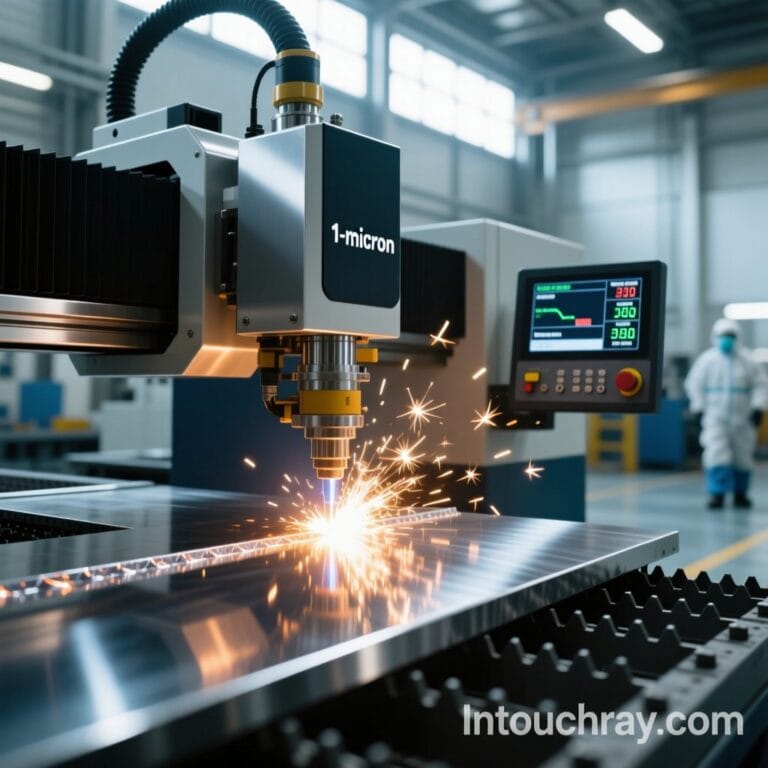
Fiber laser welding galvanized steel with minimal spatter and high precision

Galvanized Steel Welding: Managing Zinc Vaporization

The automotive and construction industries are shifting rapidly toward galvanized steel for its corrosion resistance—but welding it presents a persistent challenge. When zinc vaporizes at 907°C, just above the steel’s melting point, it creates porosity, spatter, and toxic fumes that…

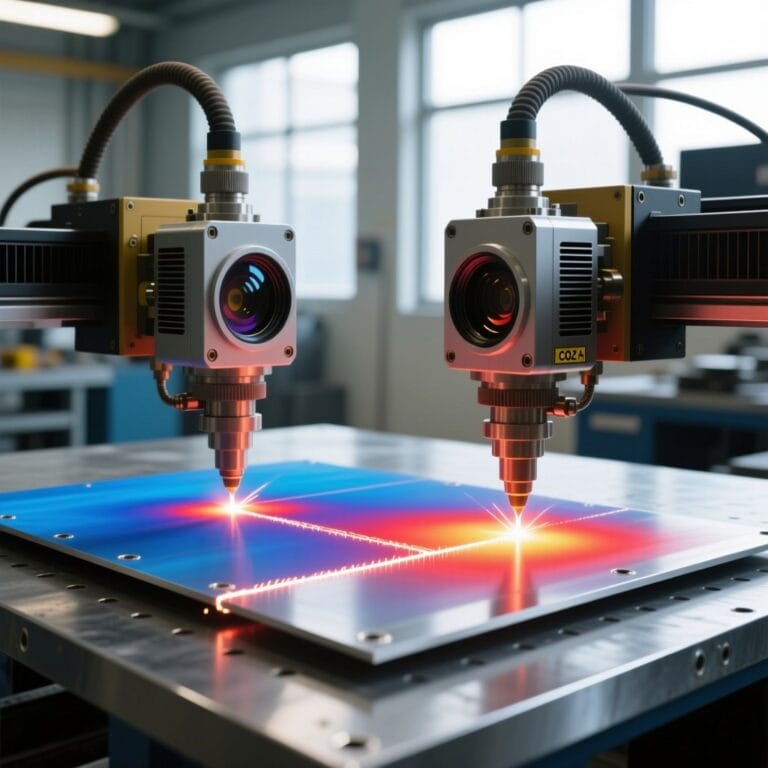
Laser welding process showing precise seam formation on metal sheets meeting seam tensile strength testing standards

Seam Strength Analysis: Tensile and Shear Performance Testing

Seam strength analysis relies on precise tensile and shear performance testing to validate the structural integrity of laser-welded joints in critical manufacturing. Understanding these metrics allows engineers to guarantee fatigue resistance and load-bearing capacity in high-stress applications. This data-driven approach…

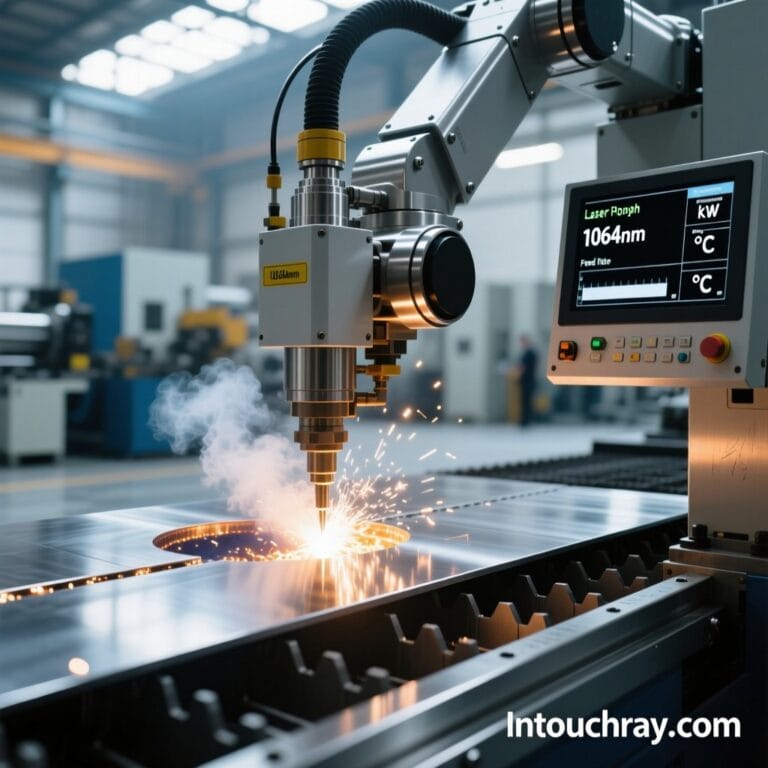
Fiber laser welding head performing in-line quality monitoring with real-time data overlay

In-Line Quality Monitoring: Real-Time Weld Inspection

In precision laser welding, a defect discovered after a 500-part run isn’t a quality problem—it’s a scrap crisis. Yet most manufacturers still inspect welds off-line, catching failures hours after they occur. Real-time in-line weld monitoring changes this equation entirely, shifting…

Fiber laser vs TIG heat affected zone comparison on galvanized steel cross-section showing minimal zinc vaporization

Galvanized Steel Welding: Managing Zinc Vaporization

The automotive and construction industries have embraced galvanized steel for its corrosion resistance, but welding this material introduces a critical challenge: zinc vaporization. When temperatures exceed 907°C, the zinc coating vaporizes, creating porosity, brittle intermetallic compounds, and hazardous fumes that…