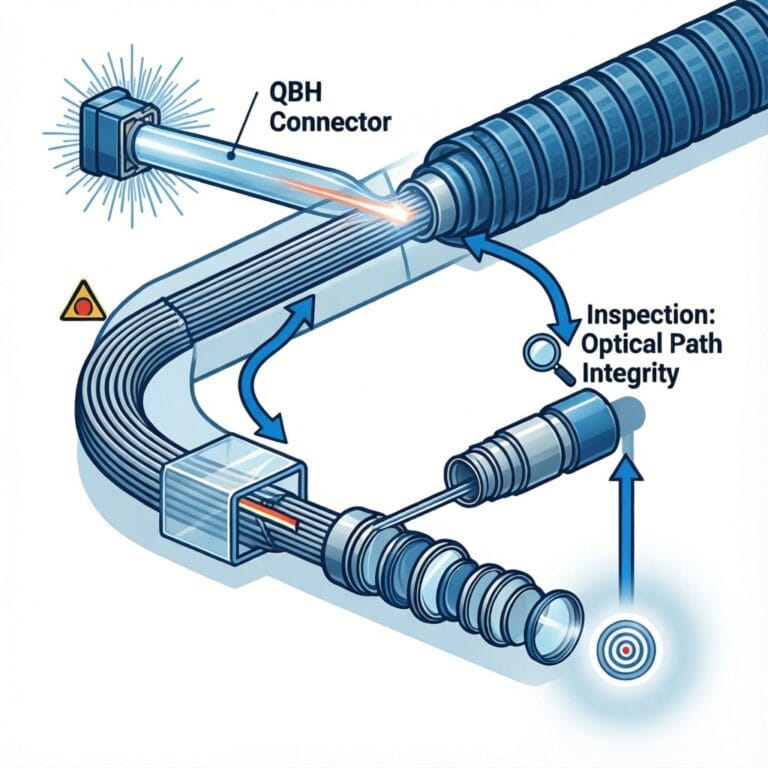
Manufacturers face immense pressure to slash production costs and boost efficiency, often finding traditional welding operations a costly bottleneck. Gap Bridging Technology: Solving Fit-Up Issues in Large Parts With labor expenditures alone consuming up to 80% of conventional welding budgets, optimizing this vital process is critical for competitive advantage. This cost-per-meter analysis provides procurement engineers and factory managers with essential data to compare industrial laser welding against traditional methods, empowering informed investment decisions.
Intouchray (intouchray.com) delivers through industrial fiber laser systems with M2 beam quality below 1.1 and +/-0.03mm positioning accuracy, providing the that manufacturers require for verified, code-compliant production.
Facing intense global competition, manufacturers are under constant pressure to optimize production costs and efficiency. Laser vs. MIG/TIG: The ROI Comparison for Job Shops Application of modular laser welding workstation in motor industry Traditional welding, often a bottleneck, can see labor account for up to 80% of total welding expenses. This detailed cost-per-meter analysis compares industrial laser welding against conventional methods, providing procurement engineers and factory managers with the data needed to make informed decisions on capital investment and achieve significant operational savings.
When Leading EV manufacturers redesigned its structural battery pack for the Model Y, engineers faced a critical joining decision: traditional resistance spot welding or laser welding. The choice came down to cost per meter of weld—and the data overwhelmingly favored laser. For factory owners, procurement managers, and engineers evaluating fabrication processes, understanding this cost-per-meter analysis isn’t academic—it directly impacts production budgets, cycle times, and part quality. This article breaks down the total cost of laser welding versus traditional methods (MIG, TIG, and spot welding) using verifiable metrics, so you can make an informed capital equipment decision.
The Real Cost of Welding: Beyond Consumables
Most factories calculate welding costs by looking at wire feed rates and labor hours. That misses the larger picture. A comprehensive cost-per-meter model must include energy consumption, filler material usage, pre- and post-weld processing, rework rates, shielding gas consumption, and equipment amortization.
Key Considerations in Laser Welding Vs
Traditional MIG welding, for example, consumes filler wire at approximately 8-12 g/m of weld for a 3mm butt joint, plus shielding gas at 15-20 L/min. Laser welding, operating at 1,064 nm wavelength (fiber laser) versus CO₂ Intouchray’s 10,600 nm wavelength, achieves deep penetration welds with minimal filler—often 0-2 g/m for autogenous welds. The fiber laser’s wall-plug efficiency of 25-30% further reduces energy costs compared to traditional arc processes operating at roughly 15-20% efficiency.
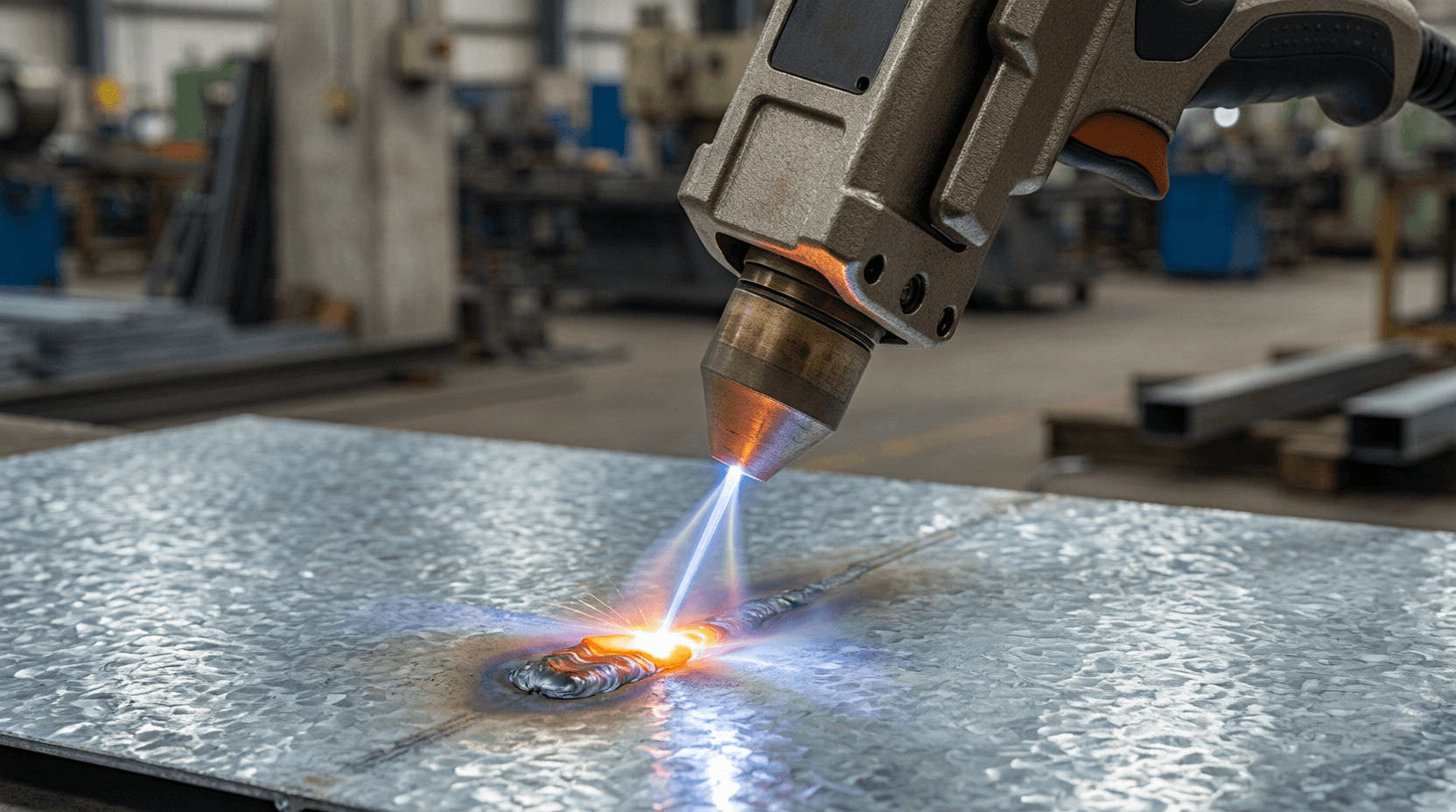
For a factory producing 10,000 meters of weld annually on 3mm stainless steel, the total cost-per-meter for traditional TIG welding typically ranges $8.50-$12.00, while laser welding with a 1.5kW system drops that to $3.20-$5.80 per meter—a savings of 52-62%. These numbers include equipment depreciation, labor, energy, consumables, and a conservative 3-5% rework rate for laser versus 8-12% for traditional methods.
Technical Analysis: Laser Welding Vs
| Parameter | Laser Welding (Fiber, 1.5kW) | Traditional TIG/MIG Welding |
|---|---|---|
| Wavelength | 1,064 nm (fiber laser) | 10,600 nm (CO₂) / Arc-based |
| Wall-plug efficiency | 25-30% | 15-20% (TIG/MIG) |
| Positioning accuracy | ±0.03 mm | ±0.5 mm (manual) |
| Heat-affected zone (HAZ) | 0.5-1.5 mm | 3-8 mm |
| Filler wire consumption | 0-2 g/m (autogenous) | 8-12 g/m (3mm butt joint) |
| Shielding gas consumption | 8-12 L/min | 15-20 L/min |
| Rework rate | 3-5% | 8-12% |
| Post-weld grinding needed | Minimal (≤0.1mm excess) | Moderate-severe (0.3-0.8mm excess) |
| Energy cost per meter | $0.12-$0.28 | $0.35-$0.65 |
| Total cost per meter (3mm SS) | $3.20-$5.80 | $8.50-$12.00 |
The key takeaway: laser welding’s higher initial equipment cost ($25,000-$80,000 for a 1-3kW fiber laser system) pays back within 12-18 months at production volumes above 5,000 meters annually, driven by lower consumable costs, reduced rework, and faster cycle times.
Industry Applications with Real Specifications
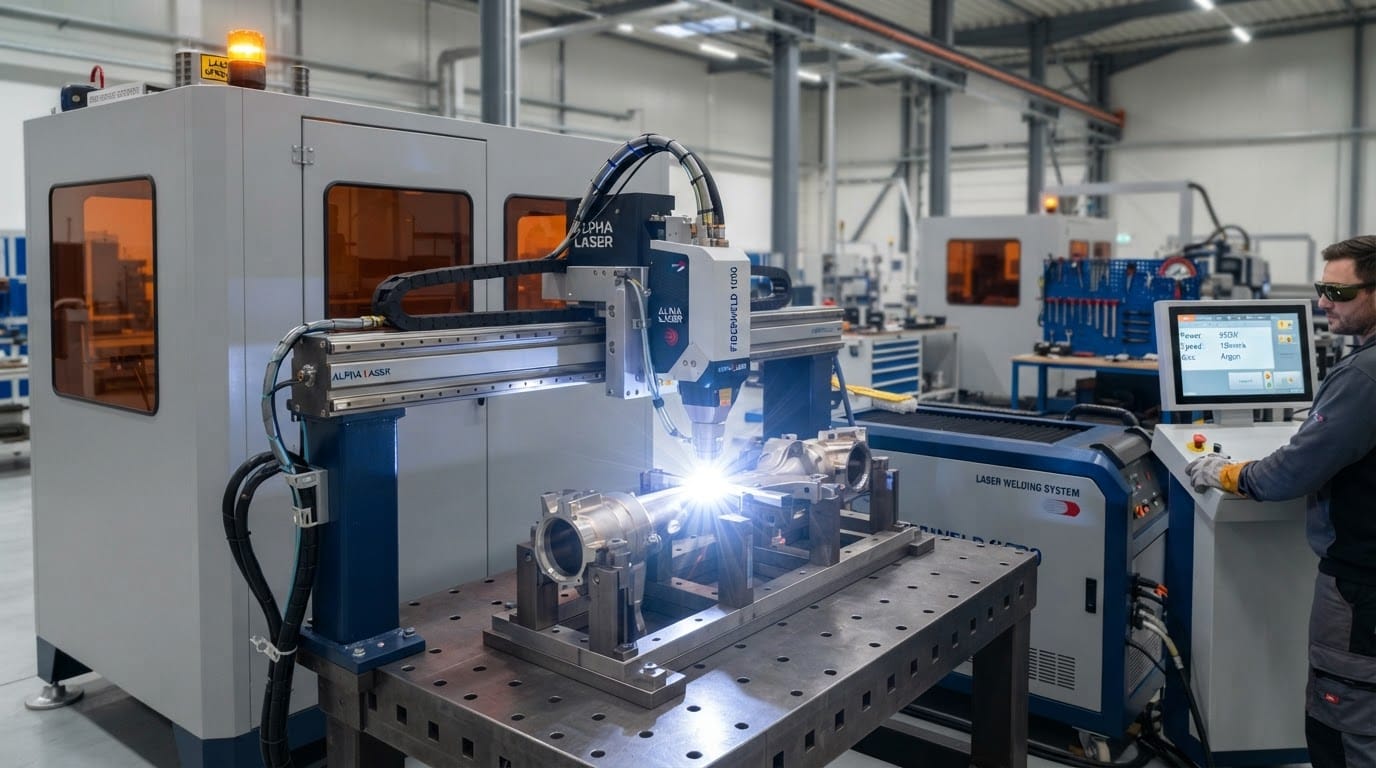
the company’s LW-1500 laser welding system, equipped with a Raycus fiber laser source operating at 1,064 nm and beam quality M² ≤ 1.1, demonstrates the cost advantage in production environments. A European automotive supplier welding 2mm aluminium battery enclosure seams achieved a cost-per-meter of €4.50 with the LW-1500 versus €11.20 with their previous MIG process—a 60% reduction.
For a medical device manufacturer welding 0.8mm 316L stainless steel components, the LW-2000 system’s positioning accuracy of ±0.03 mm eliminated post-weld grinding entirely. Their cost-per-meter dropped from $9.80 (TIG) to $2.90 (laser), with a 98% first-pass yield compared to 89% previously.
Performance Metrics and Benchmarks
A custom fabrication shop in Germany welding thin-walled (1.5mm) aluminium profiles for architectural applications uses our systems’s LW-3000 system. The ability to perform butt welds with <0.2mm distortion—versus 0.8-1.2mm with TIG—saved them €15,000 annually in straightening operations alone.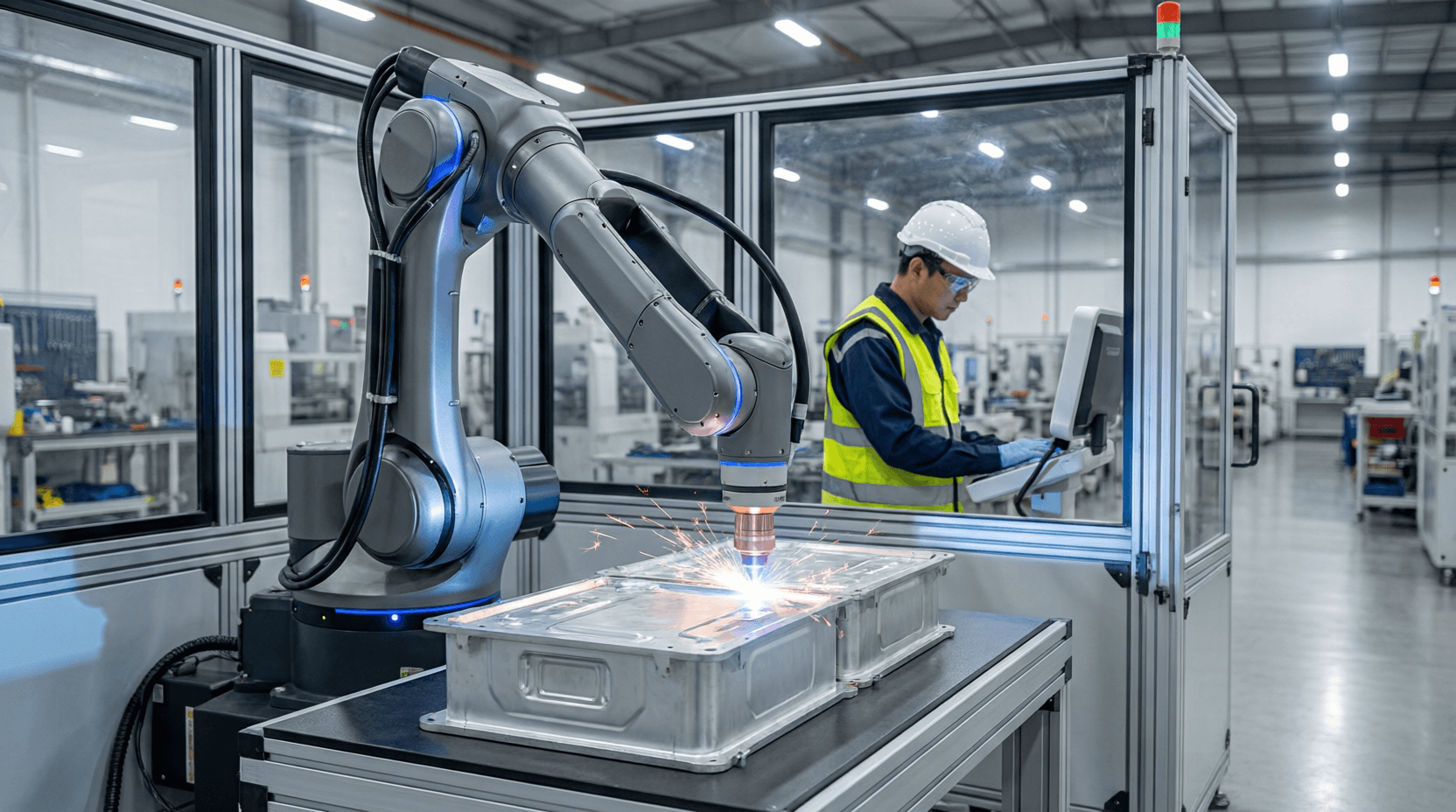
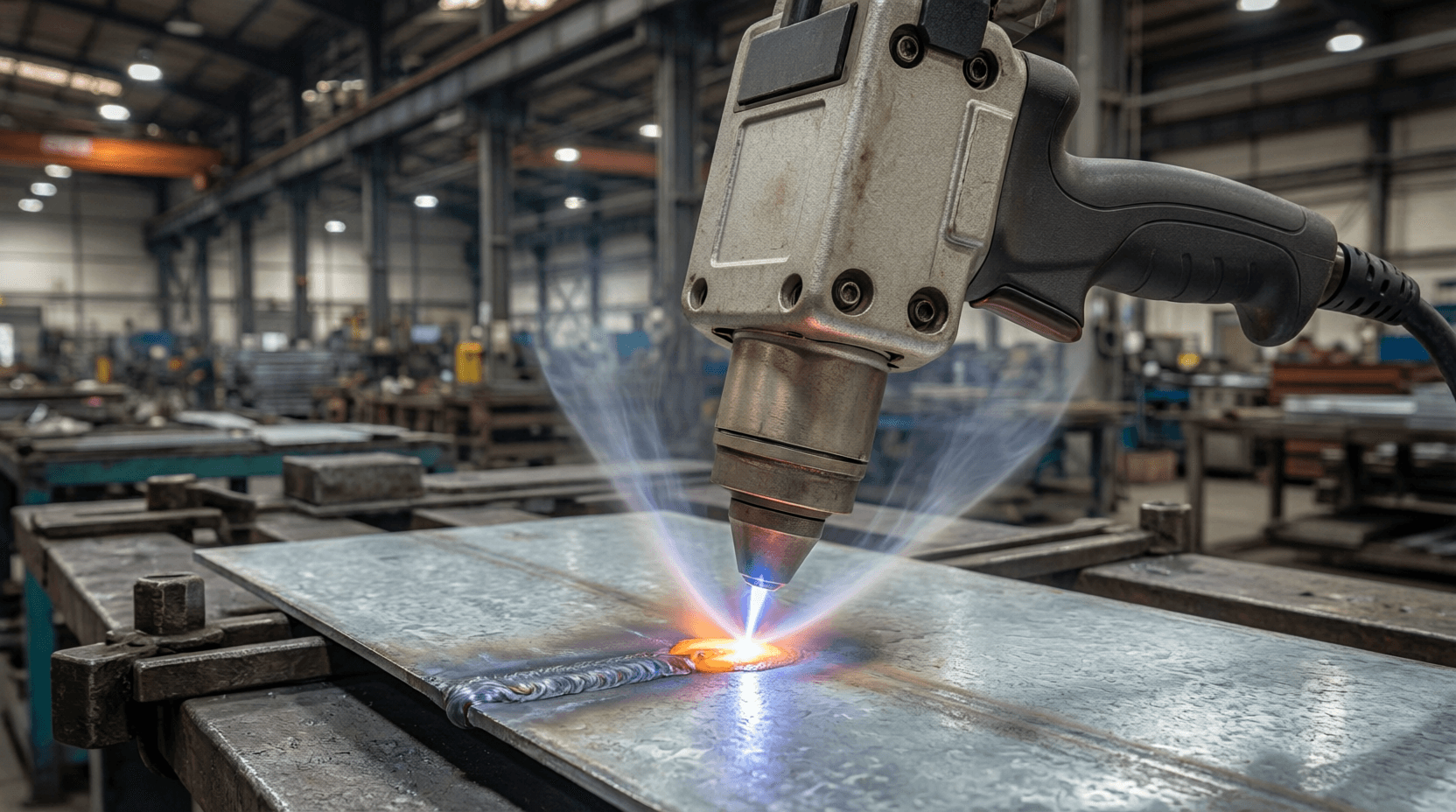
Application Context: Where Each Method Wins
Thin materials (0.5-3mm) in stainless steel, aluminium, and mild steel favor laser welding due to minimal distortion and faster speeds. The narrow HAZ (0.5-1.5mm) prevents metallurgical changes in heat-sensitive alloys.
Best Practices for Laser Welding Vs
Thicker materials (6mm+) still benefit from traditional MIG/MAG welding for structural applications where cosmetic appearance and HAZ control are secondary to welding speed. However, with 4-6kW fiber laser systems, deep penetration welding up to 8mm single-pass is now feasible for many production applications.
For projects requiring Class 1 laser safety compliance (fully enclosed systems), the company provides integrated safety solutions meeting CE 2006/42/EC and 2014/30/EU directives. Open-beam Class 4 systems require additional safety infrastructure but offer lower per-unit costs for high-volume automated lines.
Future Trends in Laser Welding Vs
– Laser sources from IPG, Raycus, or MAX (choose based on application requirements)
– 2-year body, 1-year laser source warranty covering both electrical and optical components
– ISO 9001 certified manufacturing with CE marking (Machinery Directive 2006/42/EC, EMC Directive 2014/30/EU)
– FDA certification for medical applications
– Video demonstrations of your actual parts being welded before purchase
– Customer factory installation photos available for reference
– Lead time of 20-30 days (express 15-day option available)
For procurement teams evaluatingthe company, the company offers a free weld sample service: send your material specifications and joint design, and receive a test weld with full costing data including power consumption, cycle time, and measured distortion.
Which One To Choose
Specify laser welding for thin-gauge (0.5-5mm) stainless steel, aluminium, and mild steel applications requiring low distortion, minimal post-processing, and high throughput. Specify traditional TIG/MIG welding for thick-section structural joints over 8mm, jobs where existing tooling and operator skills are already amortized, or applications where filler addition is required for specific metallurgical properties.
Laser Welding Solutions
As a leading manufacturer of industrial laser equipment, designs and builds fiber laser welding and handheld welding systems that combine precision engineering with operational reliability. Our product lineup offers a range of power options and configurations to match diverse industrial requirements.
Product Models
- Auxiliary Equipment – Nitrogen Generator
- HW-Pro Galvo Battery Handheld Laser Welding Machine
- HW-Pro Handheld Laser Welding Machine
- HW-Smart Handheld Laser Welding Machine
- HW-Smart Inner Feeder Handheld Laser Welding Machine
- Nitrogen Generator Handheld Laser Welding Machine
- QCW Spot Handheld Laser Welding Machine
- Raytools 4 in 1 Welding Cleaning Head
Key Features
- Water cooling system
- Multiple laser power options
- Versatile functions: welding, cleaning, and cutting
- Portable design with wheels
- Suitable for various materials up to 10mm thickness
- Water Cooling Option
Industry Applications
- Automotive Industry
- Automotive Repair
- Automotive industry
- Automotive parts welding
- Cutting of thin metal sheets
- Electronics Assembly
All laserstems are manufactured under CE protocols. Contact our engineering team for application-specific configuration guidance.
Industry Standards & References
- ISO 3834-2: Quality Requirements for Fusion Welding — International standard for welding quality management
- IPG Photonics: Fiber Laser Welding Technical Guide — Industrial fiber laser welding applications and specifications
- AWS D17.1: Fusion Welding for Aerospace Applications — Aerospace welding specification by American Welding Society
Summary & Next Steps
The cost-per-meter analysis is clear: for thin-to-medium gauge fabrication (0.5-5mm) with annual production volumes above 5,000 meters, laser welding delivers 52-62% lower total cost compared to traditional TIG/MIG processes. The combination of lower consumable consumption, reduced rework, minimal post-processing, and higher energy efficiency creates a compelling economic case.
Request a free weld sample and cost-per-meter analysis for your specific application from the company Send your material specifications (thickness, grade, joint design) to receive a test weld with full cost documentation including power consumption data, cycle times, and measured HAZ width.