

Summer Maintenance Guide: Protecting Your Fiber Laser Cutting Machine from Heat and Humidity
As temperatures rise and humidity levels climb, industrial manufacturing environments face a seasonal stress test. For operators of sheet metal laser cutting equipment, summer is not just about keeping the workshop cool; it is about preserving the precision and longevity of critical assets. High ambient temperatures (≥28°C) combined with high relative humidity (≥50%) create conditions that can degrade optical components, compromise cooling efficiency, and accelerate mechanical wear.
With over 20 years of R&D and manufacturing experience, Intouch understands that proactive maintenance is the difference between consistent production and costly unplanned downtime. Whether you are operating a standard CNC laser cutter or a specialized tube laser cutting system, understanding the physics of thermal management is essential. This guide outlines practical, industry-standard protocols to safeguard your equipment during the hottest months, ensuring your investment continues to deliver value regardless of the forecast.
Cooling System Integrity: The First Line of Defense
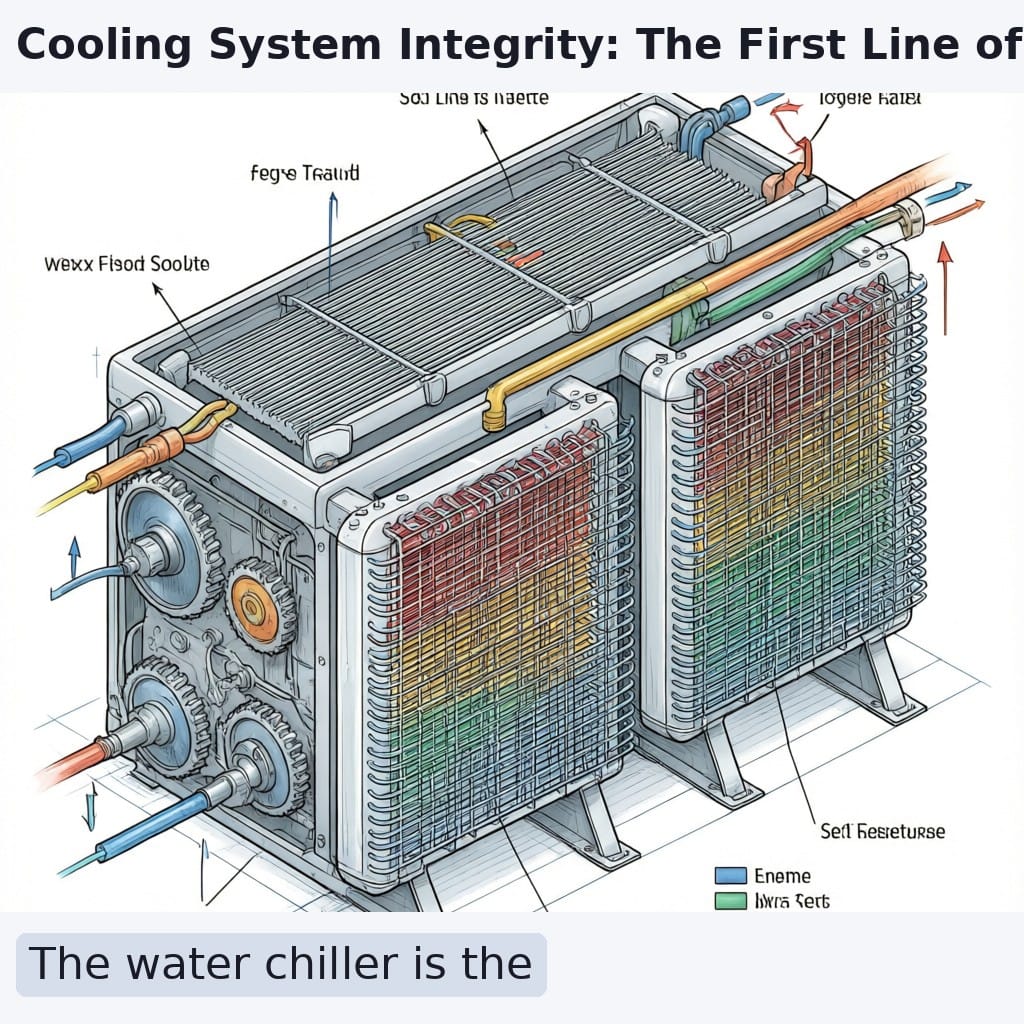
The water chiller is the lifeline of any fiber laser cutting machine. In high-temperature environments, chillers operate under increased load, making them susceptible to performance drops that are often misdiagnosed as laser source failures. Maintaining optimal heat exchange is non-negotiable.
Water Quality and Replacement Cycles
Mineral-rich water sources, such as tap or river water, introduce scaling risks that multiply in hot weather. Scale acts as a thermal insulator inside cooling channels, forcing compressors to work harder and reducing heat transfer efficiency. Industry best practice dictates using only distilled, purified, or deionized water.
While standard maintenance schedules might suggest quarterly water changes, summer conditions often necessitate monthly replacement. Elevated temperatures accelerate bacterial growth and mineral precipitation. Contaminated coolant is a primary cause of clogged micro-channels in laser sources and cutting heads. Regularly inspecting Y-strainers and filters prevents blockages before they trigger flow alarms.
Condenser and Airflow Management
Dust accumulation on condenser fins significantly reduces cooling capacity. During peak summer, weekly cleaning with low-pressure compressed air is recommended to maintain airflow. Additionally, ensure adequate ventilation around the chiller unit. Equipment should be positioned away from direct sunlight and other heat-generating machinery, with sufficient clearance at all intake and exhaust points. If workshop ambient temperatures consistently exceed safe operating limits, supplemental exhaust fans or dedicated climate control for the chiller area may be required.
Preventing Condensation: Managing Dew Point Risks
Condensation is arguably the most severe threat to fiber laser optics in humid climates. When the temperature of cooling water falls below the ambient dew point, moisture forms on internal surfaces, leading to short circuits, corrosion, and catastrophic optical damage.
Understanding Dew Point Dynamics
Safety depends on maintaining cooling water temperatures above the current dew point. Operators should utilize dew point charts to correlate ambient temperature and relative humidity. For example, an environment at 35°C with 70% humidity presents a significantly higher risk than the same temperature at 40% humidity. Generally, low-temperature circuits for laser sources are maintained between 23–25°C, while high-temperature circuits for optics sit between 28–30°C. However, these setpoints must always be adjusted based on real-time environmental monitoring and specific manufacturer guidelines.
Environmental Control and Startup Protocols
Maintaining relative humidity below 60% (ideally <50%) through industrial dehumidification is a critical preventive measure. For facilities utilizing Clean Dry Air (CDA), ensuring proper dew point specifications for the compressed air supply helps maintain positive pressure and dryness within the laser enclosure.
Startup and shutdown sequences require discipline in summer. When ambient temperatures exceed 25°C, allow the machine’s internal climate control to stabilize the enclosure temperature before energizing the chiller. During shutdown, follow the laser source manufacturer’s specific sequence—in most cases, the chiller should continue running for a specified delay period after the laser source is disabled to safely dissipate residual heat from the optical train. Consult your equipment manual for the exact shutdown procedure and delay times. The goal is to prevent thermal shock and avoid trapping heat in the laser module.
Critical Warning: If visible condensation appears on any component, cease operation immediately. Do not attempt to wipe internal optical surfaces — field wiping can introduce micro-scratches or particulate contamination that may cause catastrophic failure upon re-energization. Contact the equipment manufacturer or a qualified service technician for professional inspection, cleaning, or component replacement. Operating a wet laser system can result in irreversible module damage.
Mechanical and Electrical Resilience in High Heat
Thermal expansion and lubricant degradation affect the mechanical accuracy and electrical safety of sheet metal laser cutting systems. As a laser cutting supplier with decades of field data, Intouch emphasizes that mechanical upkeep directly correlates to cut quality consistency.
Lubrication and Transmission Care
High temperatures reduce the viscosity of standard lubricants, increasing friction on guide rails, racks, and ball screws. This accelerates wear and can manifest as positioning errors or surface roughness on cut parts. Operators should increase lubrication frequency during summer months and consider higher-viscosity ISO VG 68 lubricants if extreme heat persists. Regularly cleaning abrasive dust from transmission components prevents this debris from mixing with thinning oil to form grinding paste.
Electrical Connection Stability
Heat causes copper busbars and wiring terminals to expand and contract, potentially loosening connections over time. Loose contacts generate resistance heat, leading to signal instability or component burnout. A systematic inspection of electrical cabinets, including torque-checking terminals and replacing heat-damaged cables, is vital. Installing voltage regulation equipment also protects sensitive electronics from summer thunderstorm surges and brownouts.
Optical Component Hygiene
Humidity makes protective lenses vulnerable to fogging and contamination absorption. Inspect lenses daily for spots, discoloration, or coating damage. Store spare optics in sealed containers with desiccant packs to prevent storage-related degradation. Quick-swap capabilities minimize downtime when replacements are necessary.
Evaluating Fiber Laser Cutting Price Through Reliability
When buyers research fiber laser cutting price, the calculation should extend beyond the initial invoice. The true cost of ownership includes maintenance expenses and uptime reliability. Machines designed with robust thermal management features and supported by comprehensive technical guidance offer better long-term value. Investing time in seasonal maintenance preserves resale value and ensures that the equipment performs to specification throughout its lifecycle, regardless of external weather conditions.
Product Reference
Intouch manufactures a diverse range of fiber laser systems engineered for industrial durability:
- Sheet Metal Laser Cutting: TY-3015JB/DD, TY-4020JB/DD, TY-6020JB/DD, TY-7032DDG, TY-13032DDG, TY-19032DDG series.
- Precision Cutting: TY-6060DD, TY-1208DD, TY-QG6060, TY-QG1010 (consult datasheet for exact specifications).
- Tube Laser Cutting: TY-S90-L, TY-S120-L/F/G, TY-S100, TY-6024, TY-28025 (350-680mm chuck options).
- H-Beam Processing: TY-28025HB.
- Robot Cutting Cells: TY-QG5018, TY-6060CM, TY-QG5019.
- Automated Coil Lines: Laser coil unwinding and leveling automatic production lines.
Frequently Asked Questions
How does high humidity affect the fiber laser cutting price of ownership?
High humidity increases the risk of optical damage and electrical faults, which can lead to expensive repairs. Proper environmental control and maintenance mitigate these risks, stabilizing the total cost of ownership and protecting your initial fiber laser cutting price investment.
What is the ideal water temperature for a CNC laser cutter in summer?
While general industry ranges exist (typically 23-25°C for sources), the ideal setting depends entirely on your workshop’s dew point. Always consult your specific CNC laser cutter manual and adjust setpoints to remain safely above the calculated dew point to prevent condensation.
Can I use tap water in my sheet metal laser cutting machine chiller?
No. Tap water contains minerals that cause scaling, especially in high temperatures. Scaling reduces cooling efficiency and can damage the laser source. Always use distilled or deionized water for sheet metal laser cutting equipment to ensure reliable heat dissipation.
Why is my tube laser cutting machine losing accuracy in hot weather?
Heat can thin lubricants and cause thermal expansion in mechanical components. If your tube laser cutting system loses accuracy in summer, check lubrication viscosity, clean guide rails, and verify that the cooling system is maintaining stable temperatures to prevent mechanical drift.
Where can I find a reliable laser cutting supplier for high-humidity regions?
Look for a laser cutting supplier with proven engineering expertise and global support infrastructure. Intouch has over 20 years of experience designing equipment for diverse climates and provides technical support to help optimize machine performance in challenging environments.
Contact Intouch
For technical support, maintenance inquiries, or information on our full range of laser automation solutions, please contact us directly.
- Email: info@intouchray.com
- Website: www.intouchray.com
