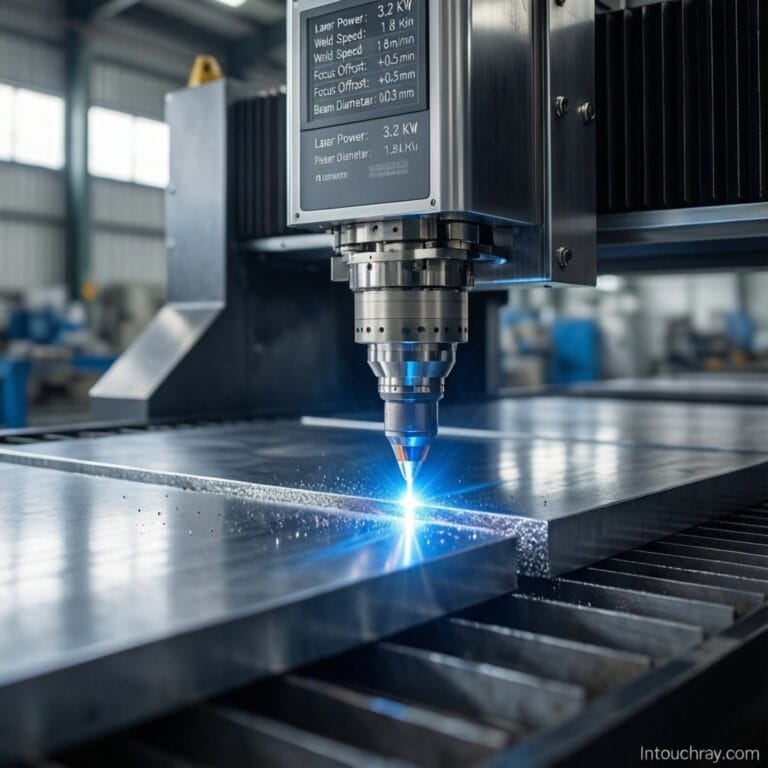
Fiber Laser Welding Machine for Mold Repair: A Technical Selection Guide
When an injection mold cracks or develops flashing, production halts immediately. Sending tooling to third-party repair shops introduces days of downtime and logistical risk. Bringing a dedicated fiber laser welding machine in-house is the strategic solution for maintaining continuous manufacturing schedules. However, evaluating this equipment requires looking beyond surface-level pricing to understand the engineering factors that determine long-term reliability.
As a laser welding manufacturer with over 20 years of R&D and manufacturing experience, Intouch (Guangdong Intouch Technology) understands that mold repair demands distinct technical specifications compared to general fabrication. This guide outlines the critical selection criteria for industrial buyers, focusing on structural integrity, optical compatibility, and process stability required for precision tooling maintenance.
Matching Machine Configuration to Workpiece Geometry
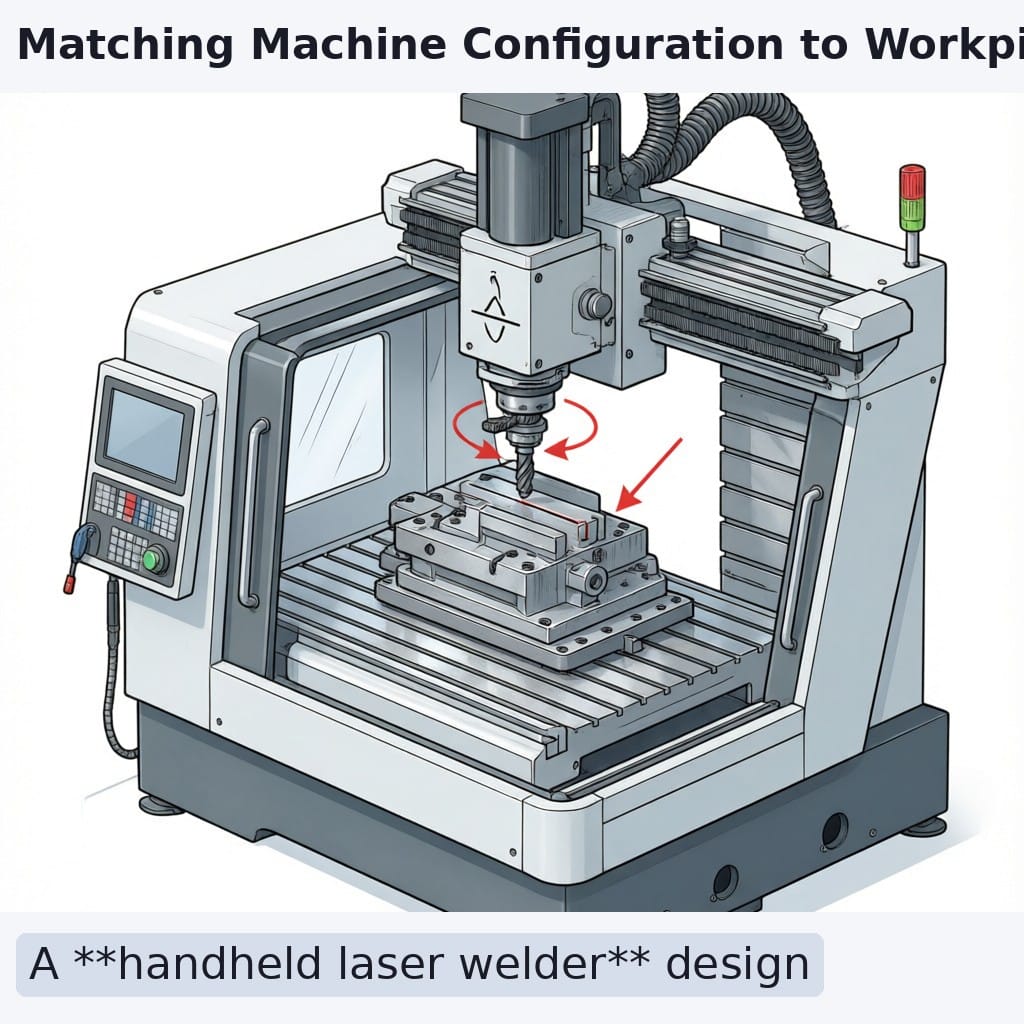
A handheld laser welder designed for sheet metal fabrication is rarely suitable for precision mold repair. Tooling maintenance requires specialized workstation configurations determined by the physical dimensions and weight of the components being serviced.
Compact Precision Setups
For workshops primarily repairing small molds, cores, inserts, and bearings under 500mm in dimension, compact systems offer an efficient footprint. These configurations typically prioritize high-stability laser sources and streamlined mechanical structures. They serve as precision workstations for benchtop-sized components where rapid access and fine control are paramount.
Heavy-Duty Large Tooling Systems
Repairing automotive molds, die-casting dies, and large shafts requires robust infrastructure. Systems handling workpieces up to several meters in length or weighing multiple tons must feature reinforced structural beds and extended cantilever arms. The mechanical rigidity prevents flexing when reaching deep cavities or supporting massive steel blocks, ensuring the laser focal point remains stable throughout the repair cycle.
Critical Technical Variables in Equipment Selection
The base machine specification is only the starting point. Functional laser welding equipment for mold repair must be customized to specific workflow requirements through several key variables.
Motion Control and Fixturing
Manual XY tables suffice for occasional touch-ups, but motorized multi-axis tables significantly reduce operator fatigue during extensive parting line repairs. For cylindrical components like hydraulic rods or circular inserts, rotary axes with appropriate chuck capacities are essential. Magnetic positioners also play a vital role in holding irregular inserts at precise angles without marring polished surfaces during microscopic welding operations.
Environmental and Power Protection
Standard repairs utilize localized argon gas shielding. However, welding reactive metals such as titanium or aerospace alloys may require integrated glove box enclosures to maintain a pure inert atmosphere. Additionally, facilities experiencing power fluctuations should incorporate industrial voltage stabilizers to protect sensitive laser electronics from damage, ensuring consistent output over years of operation.
Structural Integrity and Optical Compatibility
Price discrepancies in the laser welding market often stem from fundamental differences in build quality and component sourcing. Understanding these distinctions prevents costly procurement errors.
Mechanical Stability Under Load
Precision mold repair tolerates zero vibration. Machines constructed with insufficient frame thickness or substandard linear guides introduce micro-vibrations during operation. Even minor beam deviation can shift the weld pool, damaging adjacent polished textures instead of precisely depositing material on the defect. Industrial-grade systems employ rigid structural designs validated for sustained precision under cantilevered loads.
Laser Source and Optical Matching
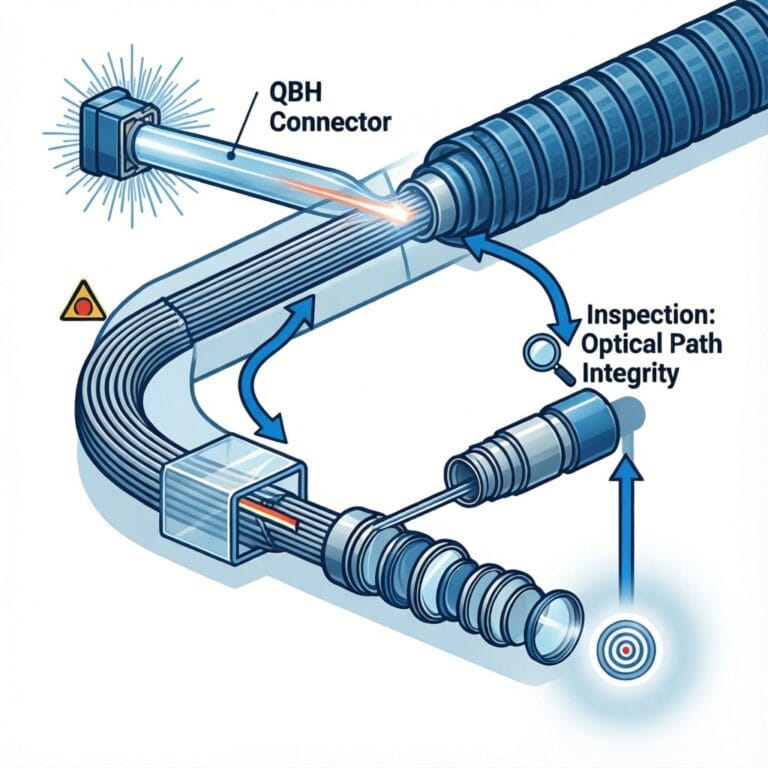
The laser source defines system longevity and performance consistency. Professional robotic laser welding and manual repair systems utilize verified, high-grade components from established suppliers. A critical but often overlooked factor is optical compatibility. Focusing heads must be specifically engineered for fiber laser wavelengths and power densities. Mismatched optics designed for legacy YAG systems cannot handle modern fiber laser intensity, leading to spot distortion, inconsistent energy delivery, and premature component failure.
Process Stability for High-Alloy Tool Steels
Porosity in alloy wire deposits remains a primary challenge in mold repair. Materials like H13, Cr-Mo, and beryllium copper are prone to trapped gases and micro-cracking when subjected to uneven thermal cycles.
This issue frequently stems from inadequate pulse waveform control rather than operator technique. Effective fiber laser welding machine systems for tooling employ waveform modulation capabilities that allow controlled energy delivery during the weld cycle. This enables operators to manage heat input and cooling rates, helping gases escape naturally during solidification. The result is dense, pore-free fusion capable of achieving mirror finishes after CNC machining and polishing, eliminating rework cycles caused by subsurface defects. Note that for certain high-alloy tool steels, pre-heating of the workpiece—whether through laser parameters or conventional methods—may be necessary to prevent cracking, and specific process parameters should be validated through testing for each material grade.
Evaluating Long-Term Value Over Initial Cost
Selecting laser welding equipment for mold repair is a capital investment decision that impacts production continuity for decades. While initial price points vary significantly across the market, total cost of ownership encompasses structural durability, optical system lifespan, process repeatability, and technical support availability.
Intouch was established in 2001 and has since accumulated extensive R&D and manufacturing experience in laser equipment across multiple application areas. As fiber laser technology matured and became commercially viable for industrial welding applications, Intouch expanded its product portfolio to include fiber laser systems for cutting, cleaning, cladding, and welding. Our ISO 9001:2015 certified manufacturing processes and EU CE compliance reflect our commitment to engineering standards required for demanding industrial environments. When evaluating suppliers, prioritize manufacturers with verifiable R&D history and comprehensive product portfolios over vendors offering unverified specifications.
Product Reference
Intouch offers comprehensive laser automation solutions supporting diverse industrial applications:
- Laser Cladding & Hardening Systems: IT-RF5018 series (Flatbed, Robot, and Custom Large formats) for precision surface restoration and hardening with ±0.02mm repeatability
- Laser Cleaning Systems: IT-QX and IT-HS series (Pulse and CW, Air/Water-cooled) for weld seam preparation and post-repair surface finishing
- Precision Laser Cutting: TY-QG6060 and TY-QG1010 models with ±0.01mm accuracy for fabricating replacement mold inserts and components
- Robotic Laser Integration: TY-QG5018 and TY-6060CM platforms compatible with Fanuc, Kuka, and Yaskawa robots for automated welding cells
For specific mold repair welding workstation configurations, please contact our engineering team directly to discuss your application requirements and obtain detailed specifications for appropriate equipment.
Safety Considerations
Laser welding—like all laser processes—requires appropriate safety measures, including proper eye protection and adherence to laser safety standards. Operators must receive adequate training, and facilities must implement appropriate laser safety protocols in accordance with applicable regulations. Always follow the manufacturer’s safety guidelines and local regulatory requirements.
Frequently Asked Questions
What distinguishes a fiber laser welding machine for mold repair from general fabrication welders?
Mold repair systems require superior mechanical rigidity to prevent vibration during precision work, matched optics for fiber wavelengths, and appropriate process control for high-alloy steels. General fabrication handheld laser welder units typically lack the structural stability and process parameters needed for defect-free tooling repair.
How does robotic laser welding improve large-scale mold maintenance?
Robotic laser welding enables programmable, repeatable repair paths for large automotive and die-casting molds. Integration with positioners and ground rails allows consistent processing of multi-ton workpieces while reducing operator fatigue and improving deposition uniformity across complex geometries.
Why is laser welding preferred over traditional TIG for injection mold repair?
Laser welding delivers concentrated heat input with minimal thermal distortion, preserving critical mold tolerances and surface finishes. The non-contact process reduces contamination risk and enables precise filler metal deposition in confined geometries inaccessible to conventional torches. Laser welding requires appropriate eye protection and laser safety measures per applicable standards.
What certifications should I verify when selecting a laser welding manufacturer?
Verify ISO 9001:2015 quality management certification and relevant regional safety compliance such as EU CE marking. Established manufacturers like Intouch maintain these certifications across multiple product series, demonstrating systematic quality control in R&D and production processes spanning 20+ years. Additionally, ensure proper laser safety protocols and operator training documentation are provided with the equipment.
Contact Intouch
For technical consultation on fiber laser welding machine configurations for your specific mold repair requirements, contact our engineering team at info@intouchray.com or visit www.intouchray.com to explore our complete range of industrial laser automation solutions.