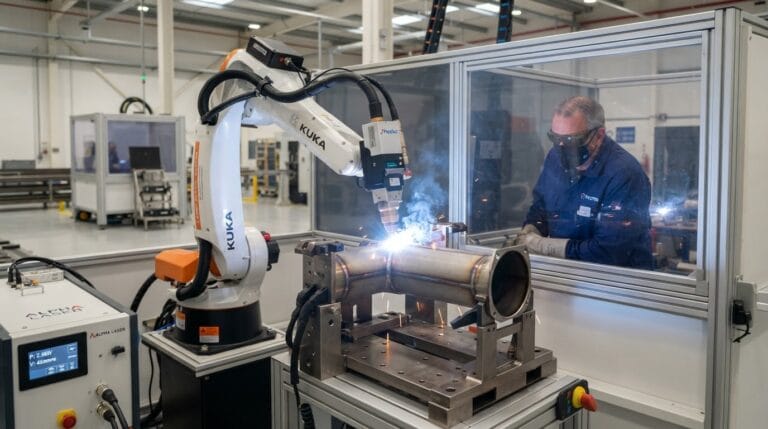
Wobble Head Technology: Optimizing Beam Path for Wider Seams
Leverage wobble head technology to compensate for part fit-up variations, reduce defects, and cut $60B+ annual rework costs in high-precision laser welding appl

Leverage wobble head technology to compensate for part fit-up variations, reduce defects, and cut $60B+ annual rework costs in high-precision laser welding appl
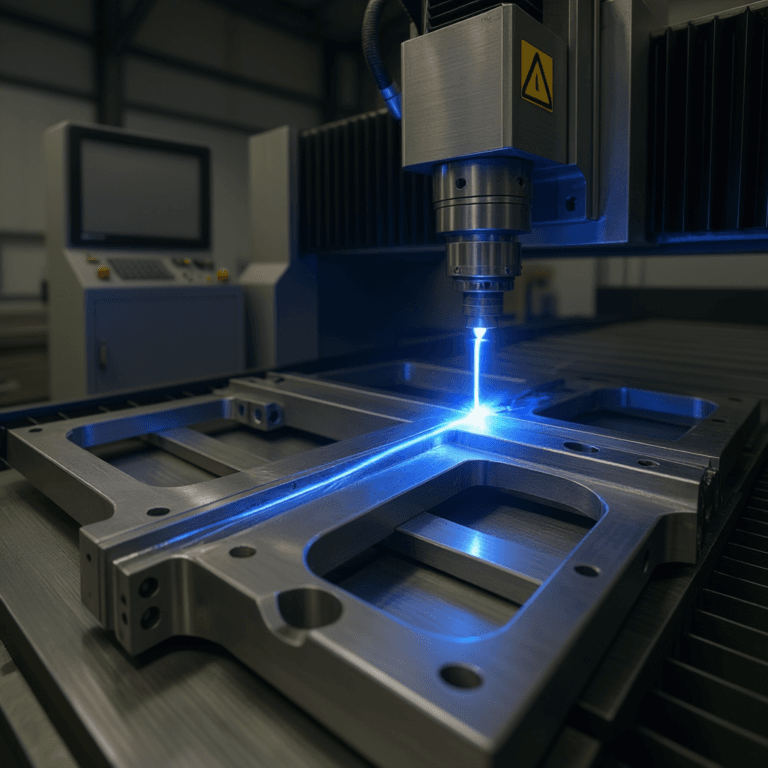
Custom fixtures eliminate micro-gaps (<0.1mm) in EV battery pack assembly—boosting weld consistency, throughput, and ROI over off-the-shelf clamping solutions.
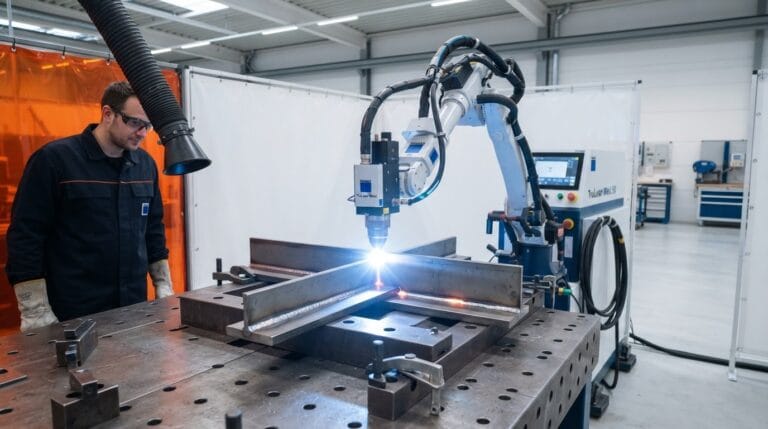
Prevent scrap crises with in-line quality monitoring: real-time weld inspection detects defects during production, slashing downtime and boosting yield in preci
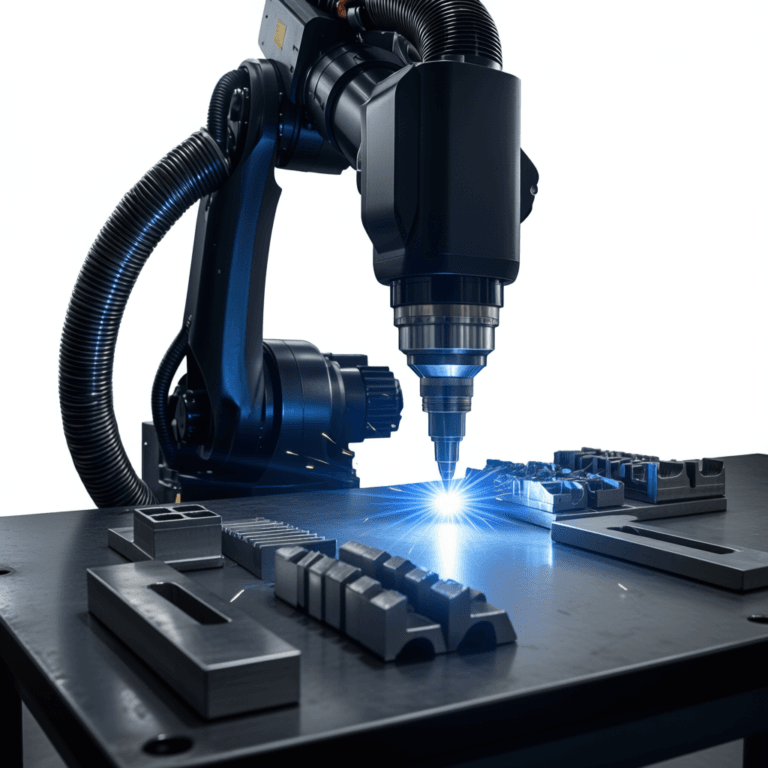
Protect your fiber laser welding system: learn critical maintenance steps for 1064nm fiber delivery cables to avoid costly downtime and extend equipment lifespa
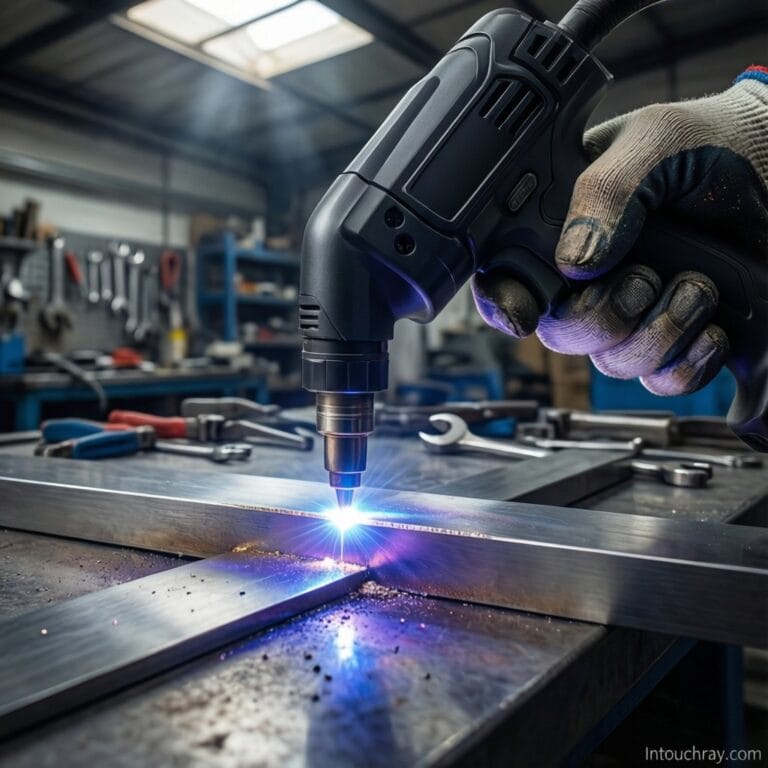
Explore the 2027 handheld laser welding roadmap: physics-driven portability, arc-free precision, and productivity gains over TIG for field and repair applicatio
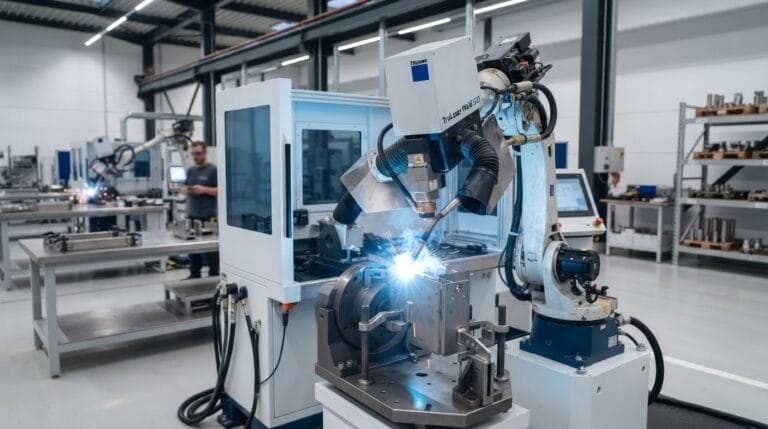
The Engineering Challenge of Thermal Transfer Seams The thermal transfer efficiency of any heat exchanger depends fundamentally on the quality of its seams — where plates meet, where tubes join headers, and where fins contact tubes. A seam gap of…
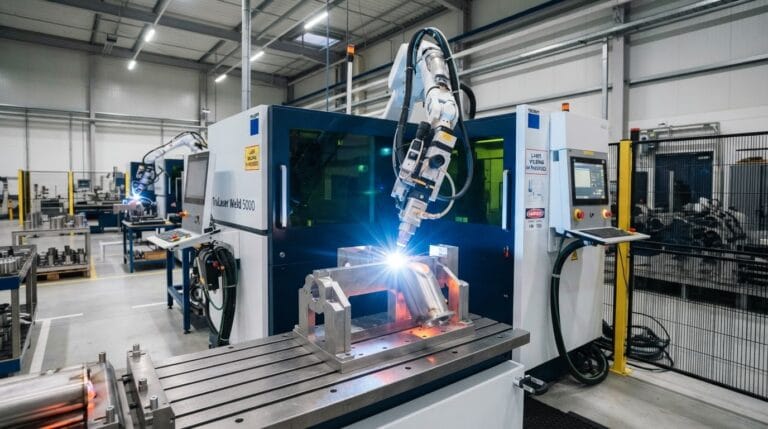
The global jewelry market, valued at over $340 billion, increasingly demands micro-scale assembly that traditional soldering cannot deliver when components shrink below 0.5mm wall thickness. Laser welding has emerged as the definitive joining process for fine jewelry, watch components, and…
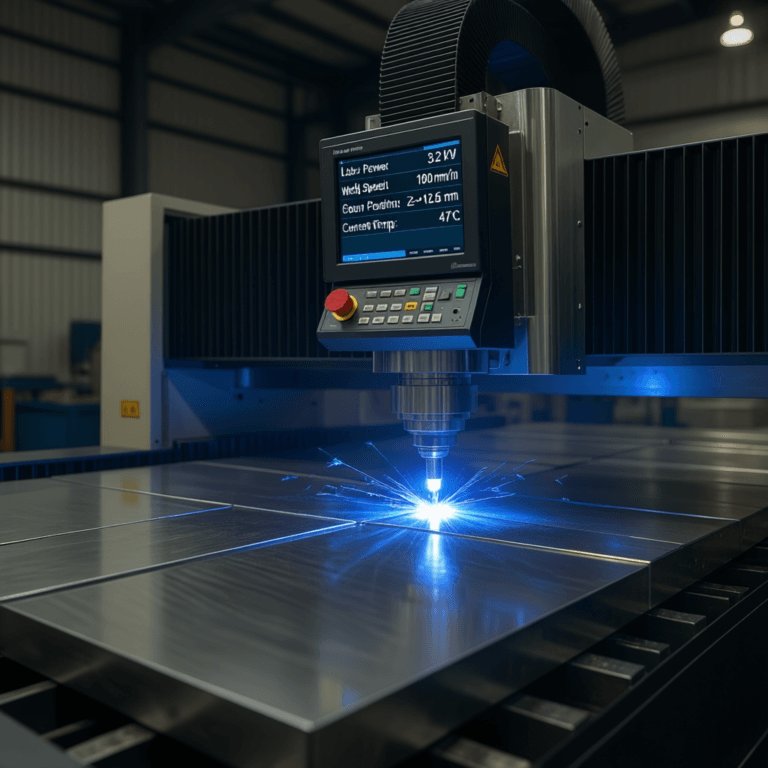
The global welding equipment market is undergoing its most significant technological shift since the introduction of MIG welding in the 1940s. As manufacturers face a critical workforce challenge—how to retrain experienced TIG welders for fiber laser welding systems without losing…
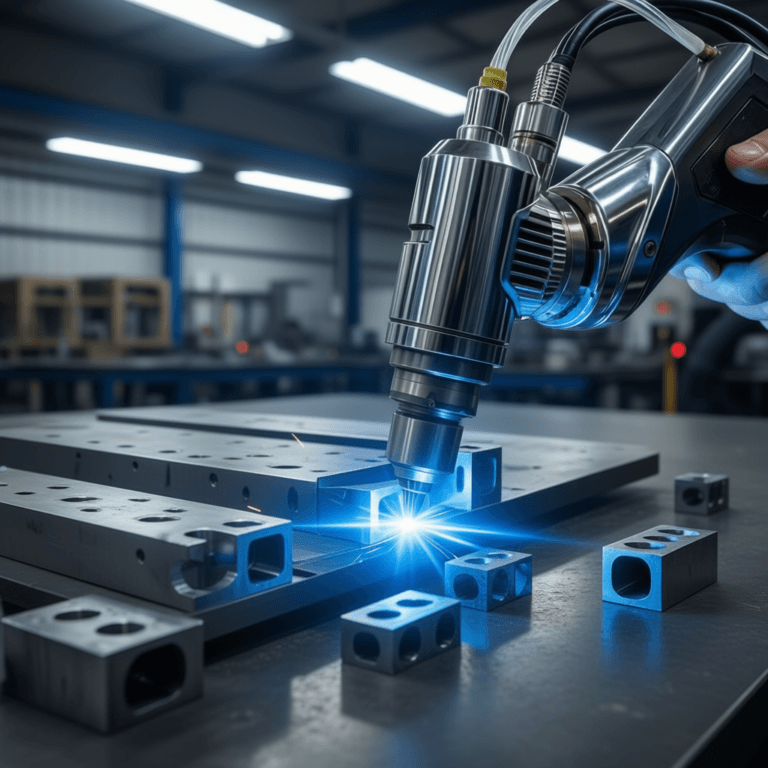
Handheld Laser Welding: Revolutionizing the Modern Workshop Handheld Laser Welding vs Traditional MIG Food & Medical Grade Seams: Achieving Porosity-Free Welds: 0.3mm Tolerance, 60% Faster Cycle Times The modern workshop is shedding its fixed-station legacy—not with incremental upgrades, but with…
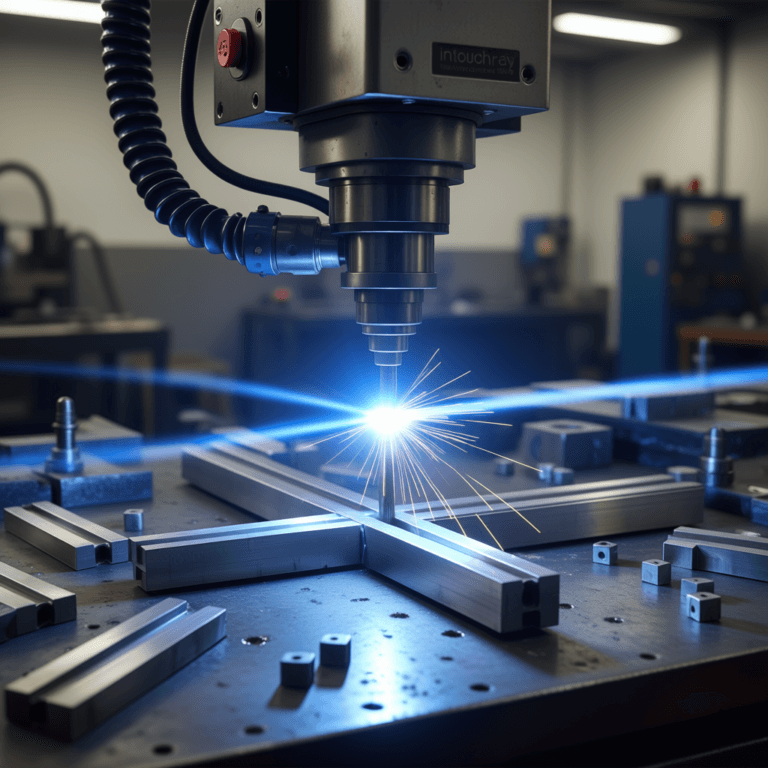
Key Considerations in Handheld Laser Welding Ergonomics The handheld laser welding torch is the primary interface between the operator and the welding process. Torch weight, balance, and grip design directly affect bead consistency across extended production shifts. Intouchray handheld laser…