Quick Access
Why Your Metal Shop Needs Better Laser Cutting Fabrication
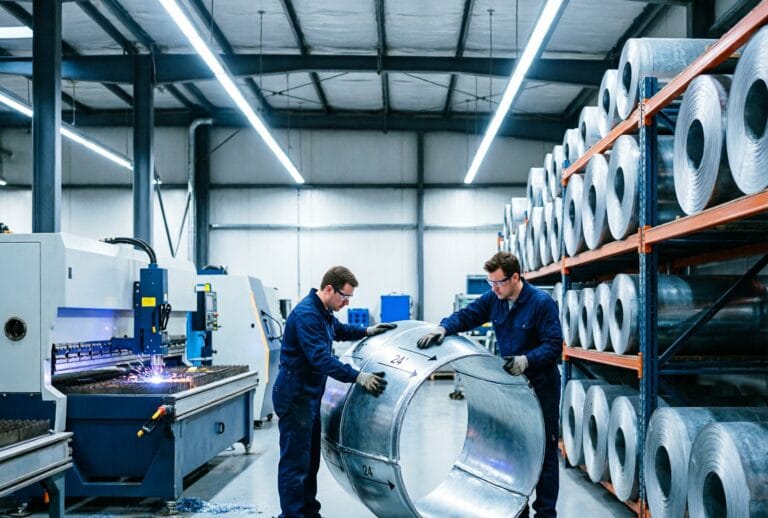
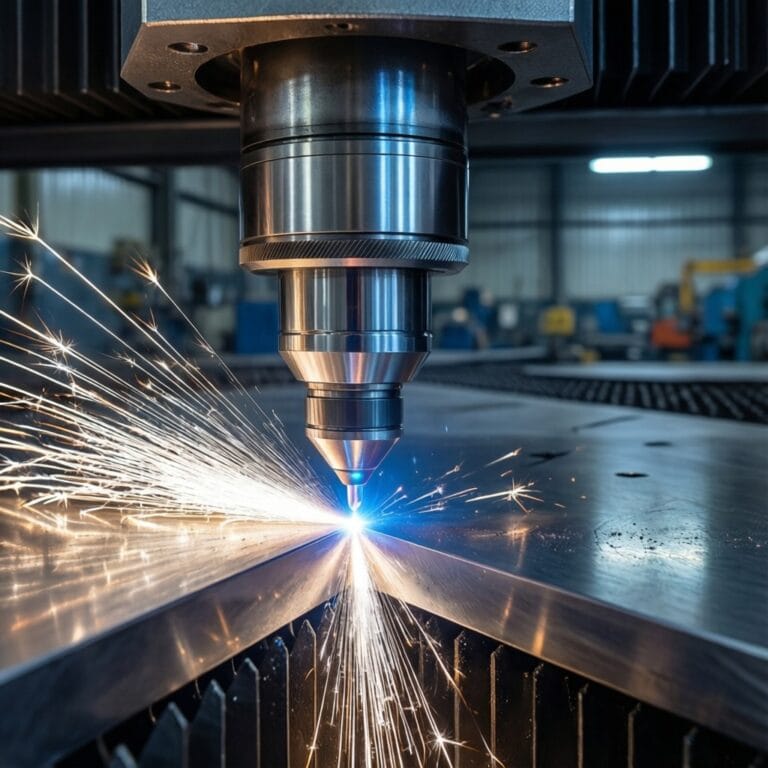
In today’s fast-paced manufacturing landscape, laser cutting fabrication has become a cornerstone of efficiency and precision. With dimensional tolerances as tight as ±0.01 mm, modern fiber laser systems deliver unmatched accuracy in sheet metal and tube laser cutting applications. For any metal shop aiming to stay competitive, adopting advanced laser cutting technology is no longer optional — it’s essential.
Why Your Metal Shop Needs Better Laser Cutting Fabrication (Industry Insights 2025)
Fiber laser technology has rapidly transformed from a high-end luxury to a production necessity. Whether you’re fabricating automotive components, structural steel, or custom architectural elements, laser cutting systems provide the flexibility, speed, and repeatability needed to thrive in 2025 and beyond. As a fiber laser cutting machine supplier with over two decades of experience, Intouch helps metalworking shops meet evolving market demands with precision-engineered solutions.
This article explores the evolution of cutting technology, the benefits of fiber lasers, and how to evaluate the cost and ROI of upgrading your shop’s capabilities.
The Evolution of Metal Cutting Technology
Metalworking has come a long way since the days of hand tools and mechanical shearing. While traditional cutting methods like sawing, milling, and plasma cutting served their purpose, they were often limited by speed, precision, and material compatibility.
Traditional cutting methods and limitations
Conventional cutting techniques rely on physical force and abrasive processes, which can lead to tool wear, inconsistent cuts, and increased material waste. For example, shearing machines often struggle with complex geometries, while plasma cutters generate heat-affected zones that compromise material integrity. These limitations can result in higher labor costs, slower production times, and reduced part quality — all of which impact your bottom line.
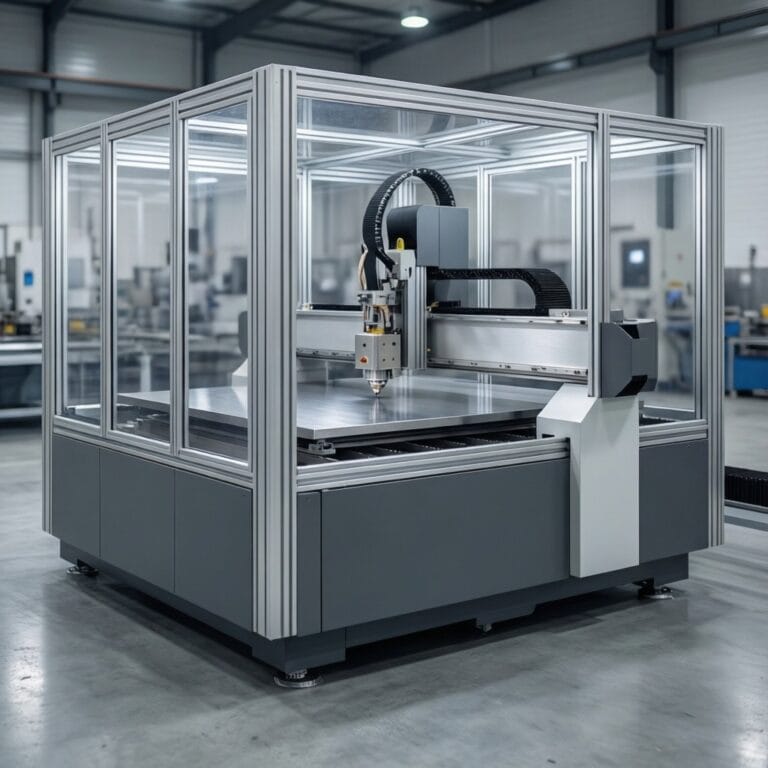
In contrast, modern fiber laser systems deliver non-contact, high-precision cuts across a wide range of metals, including stainless steel, aluminum, and carbon steel. As a leading laser cutting supplier, Intouch designs machines that overcome these traditional constraints with automated workflows and intelligent motion control.
Key Benefits of Laser Metal Fabrication
Fiber laser cutting machines offer a host of advantages that directly address the shortcomings of older methods. Here’s what sets them apart:
- Precision: Achieve ±0.01 mm accuracy with Intouch’s high-performance TY-QG6060 and TY-6060DD models.
- Speed: Cut ultra-thin materials at speeds exceeding 25 m/min, dramatically reducing cycle times.
- Flexibility: Handle both sheet metal and tube laser cutting with a single integrated system.
- Automation: Reduce manual labor with automated loading/unloading systems and smart diagnostics.
- Material Compatibility: Cut reflective metals like copper and brass with fiber wavelengths that offer better absorption than CO₂ systems.
These benefits make fiber laser cutting a compelling investment for shops looking to improve productivity and expand their service offerings.
Cost Analysis of Laser Cutting Systems
Adopting laser cutting technology requires a strategic investment, but the long-term gains often outweigh the initial costs. Here’s how to evaluate the financial impact:
Initial investment considerations of a laser cutting machine
When selecting a CNC laser cutter, several factors influence the total cost:
- Laser power (1.5 kW to 60 kW)
- Cutting area (e.g., TY-3015JB for small parts, TY-19032DDG for large sheets)
- Automation features (auto-loading, robotic integration)
- Laser source brand (IPG, Raycus, Max, JPT, BWT)
At Intouch, we offer a wide range of fiber laser cutting price points to match different shop sizes and production volumes. Our engineers can help you choose the right system based on your workload and material requirements.
Long-term savings potential
Beyond the initial purchase, fiber laser systems provide significant operational savings:
- Lower maintenance costs due to fewer moving parts and no consumables like electrodes or nozzles.
- Higher throughput reduces per-part costs, especially for high-volume production.
- Reduced rework thanks to consistent cut quality and minimal kerf variation.
- Energy efficiency — fiber lasers consume up to 30% less power than CO₂ systems.
For example, a 6 kW system can cut 1 mm stainless steel at 2–2.5 m/min, improving overall equipment effectiveness (OEE) and reducing downtime.
ROI calculation factors
To determine the return on investment, consider these metrics:
| Factor | Description |
|---|---|
| Labor reduction | How much time is saved per shift? |
| Material yield | What’s the improvement in nesting efficiency? |
| Throughput increase | How many more parts can be produced per day? |
| Downtime reduction | How often do you currently stop for maintenance? |
| Energy savings | What’s the difference in power consumption? |
A well-chosen fiber laser cutting machine can deliver ROI within 18–24 months, depending on usage and production scale.
Frequently Asked Questions (FAQ)
Q: What types of metal can be cut with a fiber laser?
A: Fiber lasers excel at cutting conductive metals including stainless steel, carbon steel, aluminum, brass, and copper.
Q: Is fiber laser cutting suitable for both sheet and tube materials?
A: Yes. Intouch offers dedicated tube laser cutting systems like the TY-S120-L and multi-axis flatbed machines for combined sheet and tube processing.
Q: How much does a fiber laser cutting machine cost?
A: Prices vary by power, cutting area, and automation level. Contact Intouch for a tailored quote based on your production needs.
Q: What is the best laser cutting supplier for metal fabrication?
A: As a 20+ year manufacturer, Intouch provides reliable, high-precision systems backed by global support and technical expertise.
Q: Can I upgrade my current laser cutting system?
A: Yes, many components like laser heads and control systems can be retrofitted. Speak with our support team to explore options.
If you’re looking for a fiber laser cutting machine supplier that understands your needs better, Intouch offers a full range of CNC laser cutters, cleaning systems, and cladding machines designed for real-world production environments.
References and standards. The specifications discussed in this article align with frameworks maintained by the following industry bodies:
- ISO — ISO 9712 NDT personnel qualification and ISO 16810 ultrasonic testing.
- ASNT — American Society for Nondestructive Testing — SNT-TC-1A certification practice.
- ASTM International — ASTM Committee E07 nondestructive-testing standards and test methods.