Glass molds are essential in the production of glass bottles, containers, and optical components. Over time, exposure to high temperatures leads to surface contamination, edge wear, notches, and cracks — all of which affect product clarity, dimensional accuracy, and mold longevity.
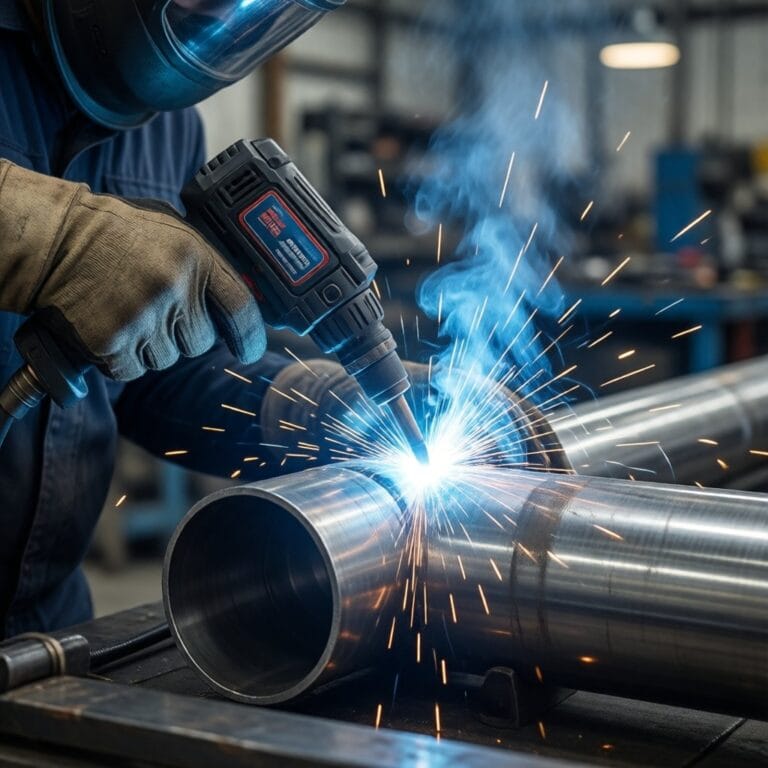
Traditional methods like sandblasting, chemical cleaning, and arc welding often cause thermal distortion, surface damage, or extended downtime. A modern, non-contact alternative is the full-process laser solution, which includes three critical steps:
- Pulsed laser cleaning (surface preparation)
- Precision laser mold welding (notch/chip repair)
- Robot laser cladding (crack and large-area restoration)
This integrated system has been successfully deployed across Europe and Southeast Asia since 2024, supporting over 20 glass manufacturing clients. Below, we explore the on-site workflow using real-world examples and highlight the benefits of laser-based mold repair.
Why Glass Mold Maintenance & Repair Matters
Glass molds represent a significant capital investment. Surface imperfections can lead to production defects such as bubbles, streaks, and reduced transparency. Cracks and wear contribute to frequent stoppages and inconsistent output.
Laser technology addresses these challenges effectively, offering:
- Minimal heat input
- Near-zero distortion
- High precision and strong metallurgical bonding
- Eco-friendly and efficient operation
By adopting laser-based solutions, manufacturers can significantly extend mold life, reduce downtime, and maintain product quality.
Step 1 – Pulsed Laser Cleaning for Glass Molds
What It Solves
Glass molds accumulate oxide scale, carbon deposits, release agents, and other contaminants during extended high-temperature cycles. Traditional cleaning methods risk damaging the mold’s surface finish and dimensional accuracy.
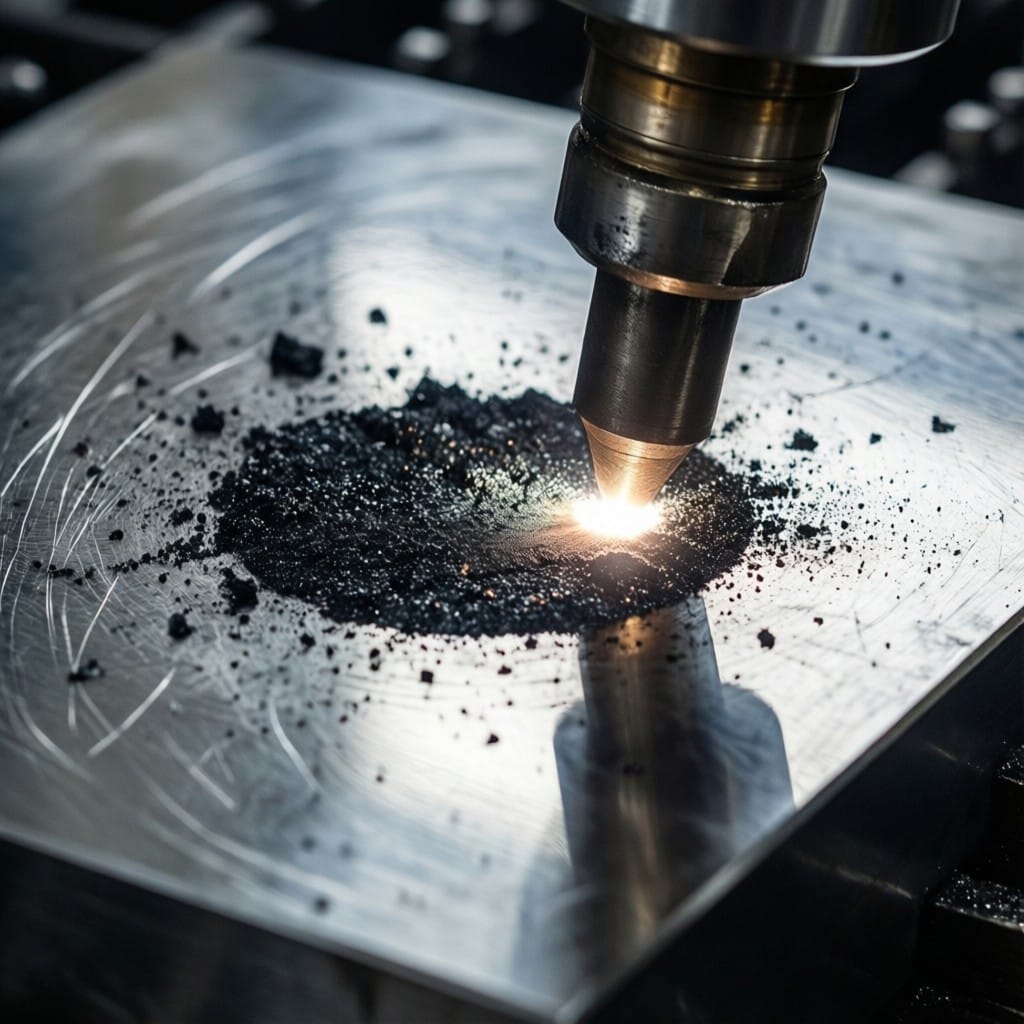
Pulsed laser cleaning removes these contaminants without abrasion or chemicals, preserving the mold’s integrity.
How Pulsed Laser Cleaning Works
High-energy laser pulses ablate surface contaminants while the mold base reflects most of the energy. This non-contact method ensures no mechanical wear or chemical residue is left behind.
Key Advantages
- Non-destructive: preserves mold precision and texture
- Eco-friendly: no chemicals or waste generated
- Fast: reduces mold cleaning downtime
- Enhances bonding for subsequent welding or cladding
Intouch’s Laser Cleaning Machine for Glass Molds
At Intouch, we offer a pulsed fiber laser cleaning system designed for mold maintenance. With a power output of 500W (multi-mode), this machine is ideal for:
- Pre-repair surface preparation
- Daily mold maintenance
- Glass bottle molds, forming molds, neck molds, and high-temperature molds
Cleaning ensures optimal surface conditions for welding and cladding, improving metallurgical bonding. In our experience, glass molds often develop thick sulfur scale and release agent buildup under high temperatures. A 500W pulsed laser strikes the right balance — higher power may scratch precision textures, while lower power struggles with deep carbon deposits.
You may also be interested in: Why Surface Preparation Matters for Laser Cladding: The Role of Pulse Laser Cleaning
Step 2 – Precision Laser Mold Repair Welding (Notch & Edge Repair)
What It Solves
Small notches, edge chipping, and localized wear can compromise mold performance. Traditional welding methods introduce excessive heat, causing warping and requiring extensive post-processing.
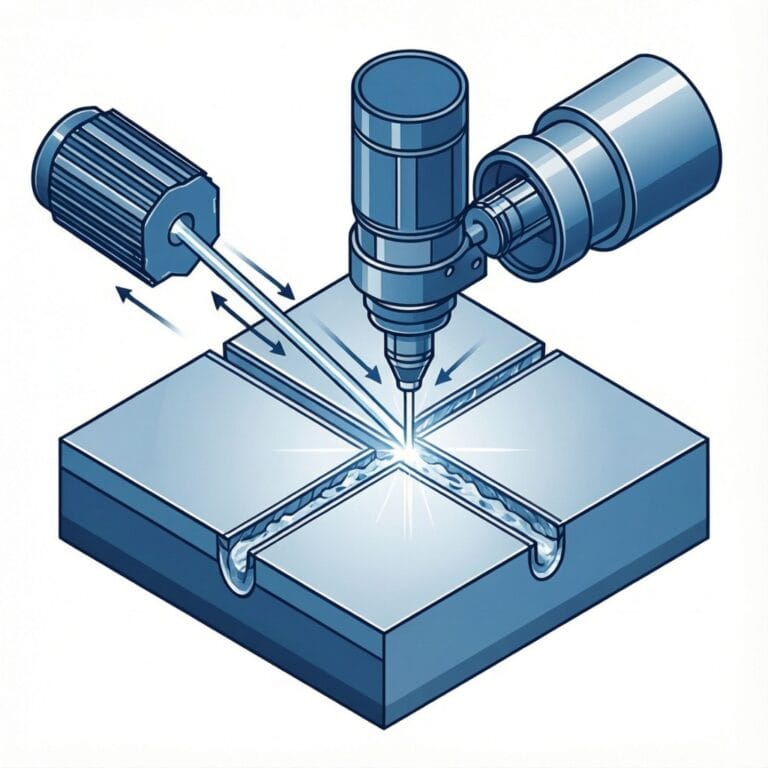
Precision laser mold welding offers a solution with micron-level accuracy and minimal heat input.
Intouch’s Laser Mold Repair Welding Machine
- Application: mold notch repair, precision filling
- Estimated power: 1.5kW (effective power ≈ 1200W)
- Frequency: 15Hz; Pulse width: 23ms; Modulation: 20kHz
- Wire material: SKD11, Φ0.4mm
- Positioning accuracy: micron-level
- Heat-affected zone (HAZ): extremely narrow, no distortion
Core Benefits
- Micron-precision filling
- Low heat input — no warping
- Smooth surface finish, minimal polishing required
- Restores original mold dimensions
- Compatible with tool steels: SKD11, H13, P20, and more
This method is best suited for repairing small to medium defects in glass molds, offering fast turnaround and high repeatability.
Step 3 – Robot Laser Cladding for Mold Crack Repair
What It Solves
Cracks, large-area wear, and structural damage require a restoration method that maintains dimensional stability and enhances wear resistance. Traditional welding often results in poor bonding and distortion.
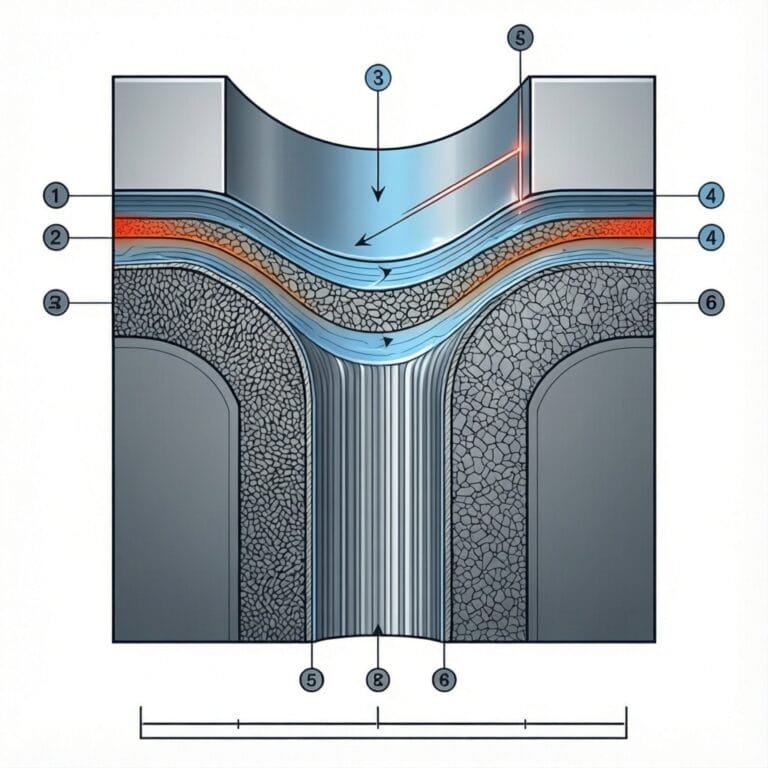
Robot laser cladding provides a solution by melting alloy powder and the mold surface simultaneously, forming a strong metallurgical bond.
Intouch’s Laser Cladding Machine
- System: 6000W robot laser cladding system
- Process: synchronous melting of alloy powder and mold surface
- Bonding: metallurgical (not mechanical coating)
- Features: low heat input, minimal distortion, high hardness, wear resistance
Why Laser Cladding Outperforms Traditional Methods
- Narrow heat-affected zone: almost no deformation
- High bonding strength: resistant to peeling
- Adjustable material selection: wear-resistant, heat-resistant, corrosion-resistant
- Precise thickness control: 0.05mm–1mm
- Extends mold life by 2–5x
Ideal for repairing glass mold cracks, parting lines, and large-area wear, this system ensures long-term durability and performance.
Complete Glass Mold Repair Workflow (3-Step System)
- Pulsed laser cleaning → removes contaminants and improves surface adhesion
- Laser mold welding → repairs notches, chips, and small defects
- Laser cladding → restores cracks and rebuilds worn areas
This one-stop solution combines cleaning, welding, and cladding into a seamless process, tailored for mold repair suppliers and manufacturers seeking reliable, high-precision tools.
Why Choose Intouch’s Laser Equipment for Mold Repair
Guangdong Intouch Technology has been a trusted name in fiber laser equipment for over 20 years. Our systems are designed with the following advantages:
- Full lineup: laser cleaning, mold welding, laser cladding
- Custom parameters for glass molds and metal repair
- Low heat input, minimal distortion, high precision
- Stable performance with ISO 9001 and CE certifications
- Proven success in real-world mold repair applications
- Support for robot integration and automated lines
Applications
- Glass bottle molds
- Glass container/jar molds
- Optical glass molds
- High-temperature glass forming molds
- Mold punch & insert repair
Conclusion
Laser technology has become the preferred method for high-quality glass mold repair. Pulsed laser cleaning efficiently removes graphite buildup and sulfur scale without damaging mold surfaces. Laser mold welding precisely repairs notches and edges with minimal heat distortion, while laser cladding extends mold life through durable metallurgical bonding.
Intouch’s comprehensive laser repair systems improve product quality, reduce downtime, and lower maintenance costs — making us a reliable mold repair supplier for industrial clients worldwide.
For more information on our fiber laser welding machines, handheld laser welders, and robotic laser welding systems, visit our website or contact us at info@intouchray.com. Explore how our 20+ years of expertise in laser automation can enhance your mold repair process.