Mastering Laser Cladding SOPs: Operator Safety & Operational Efficiency

Standard Operating Procedures (SOPs) for Laser Cladding Machines: Safety and Efficiency
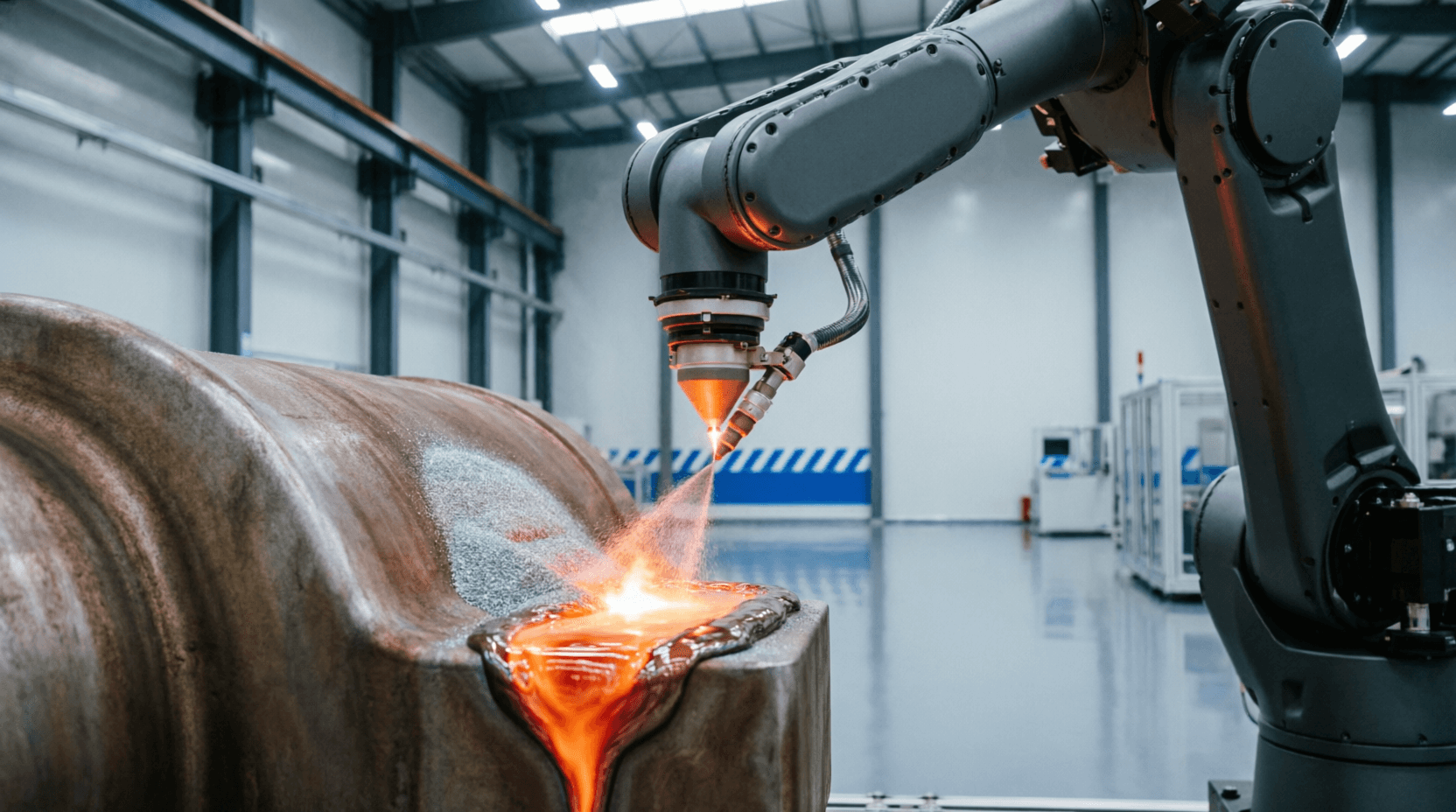
Operating high-power fiber laser cladding machines (Article #02, #08, #23) demands a rigorous commitment to safety and process control. These integrated systems, combining multi-kilowatt laser sources (intouchray.com), robotic motion (Article #05), and pressurized powder feeding (Article #03), introduce unique industrial hazards.

For fresh learners and new operators, mastering the Standard Operating Procedures (SOPs) is not optional; it is the definitive foundation for achieving strategic reliability (intouchray.com) and maximizing component life. These procedures don’t just protect the operator; they protect the high-value component being remanufactured (Article #16, #19) and ensure the final clad layer achieves its optimized metallurgical properties (Article #11, #12, #13).

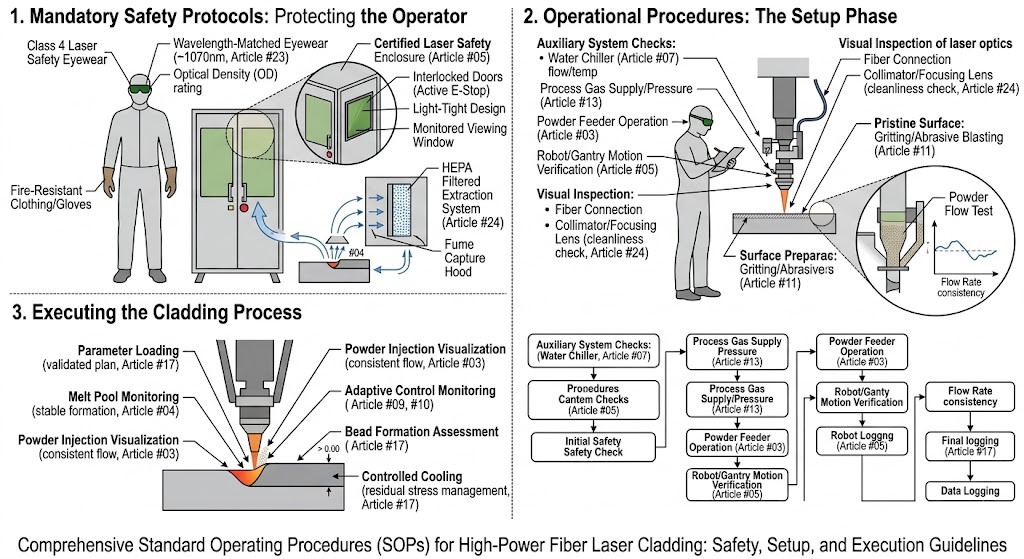
  1. Mandatory Safety Protocols: Protecting the Operator
    Before initializing any laser cladding sequence, mandatory safety protocols must be verified. High-power lasers present severe risks that require specialized controls.

Laser Safety (Class 4 Hazards): High-power fiber lasers are Class 4 laser devices (Article #13, #23). The laser beam—and any reflected light (Article #09)—can cause instant, permanent blindness and severe skin burns.

PPE: Specialized laser safety eyewear, matched precisely to the laser wavelength (typically ~1070nm for Yb-doped fiber lasers, Article #23), is mandatory. This eyewear must be rated for the correct optical density (OD) to block diffuse reflections. Full-coverage, fire-resistant clothing and gloves are also essential to protect the skin.

Enclosures and Interlocks (Article #05): Laser cladding must be performed within a certified, light-tight laser safety enclosure. These enclosures feature monitored door interlocks; opening a door while the laser is active must cause an instant emergency stop (E-stop), preventing accidental exposure.

Fume Extraction and Material Hazards: The intense heat of the laser melt pool (Article #04) generates significant metal fumes and particulate matter, especially when processing specialized alloys (e.g., Inconel, Cobalt-based, Article #12). Some powder materials (like specific cobalt alloys) present chronic health risks. A high-efficiency particulate air (HEPA) fume extraction system must be operational and positioned close to the melt pool to capture these contaminants at the source.

  1. Operational Procedures: The Setup Phase
    A robust cladding operation begins with meticulous setup. Skiping steps here compromises quality and safety.

Pre-Operational Checks: Verify the functionality of all auxiliary systems: water chiller (Article #07) flow and temperature, process gas (typically Argon) supply and pressure, powder feeder operation, and the robotic or gantry motion system (Article #05). Perform a visual inspection of the laser optics (delivery fiber, collimator, focusing lens) for cleanliness and damage.

Surface Preparation: As detailed in the metallurgy deep dive (Article #11), achieving a perfect metallurgical bond requires a pristine surface. The substrate component must be cleaned of all grease, oil, rust, and scale, typically through abrasive blasting (gritting) or specialized chemical etching.

Powder Loading and Verification: Confirm the correct cladding powder (MMC, Article #13; Superalloy, Article #12) is loaded. Perform a powder flow test to verify the feed rate is consistent and matches the optimized parameter plan (Article #04, #17).

  1. Executing the Cladding Process
    Once safety and setup are verified, the cladding sequence can proceed.

Parameter Optimization (Article #17): The operator must load the validated process parameters: laser power ( Article #13), scanning speed, powder feed rate ( Article #03), and shield gas flow. For complex geometries, such as blisks ( Article #16), adaptive control monitoring ( Article #09) must be activated to manage heat buildup.

Monitoring the Melt Pool: During operation, the operator must actively monitor the process, typically through a camera view or a filtered viewing window. They are looking for a stable melt pool (Article #04), consistent powder injection ( Article #03), and proper bead formation ( Article #17). Any instability (e.g., excessive spatter, shifting melt pool) must be immediately investigated. Adaptive feedback systems (Article #09, #10) can automate some of this monitoring.

Post-Operational Procedure: Upon completion, follow the specific shutdown sequence. Deactivate the laser ( Article #23), purge the powder lines with process gas, allow the component to cool (often at a controlled rate to manage residual stress, Article #17), and finalize data logging ( Article #10) before opening the enclosure interlocks.

Conclusion: Engineering Strategic Reliability Through Discipline
Standard Operating Procedures for laser cladding machines are more than a checklist; they are the structured discipline essential for achieving industrial excellence. By rigorously adhering to mandatory safety protocols (protecting against Class 4 laser and fume hazards) and executing meticulous operational steps (from surface prep to process monitoring), operators transform laser cladding from a technical capability into a repeatable, high-reliability solution. Mastering these SOPs ensures that every high-value asset remanufactured with an Intouchray machine (intouchray.com) delivers noble performance, maximizing component life ( Article #11-#13) and resource efficiency ( Article #19) in the world’s most demanding applications.

Image Attachment

The Role Of Laser Cladding In The Circular Economy
The Role Of Laser Cladding In The Circular Economy (1024×559px)

Technical Comparison

Technical ParameterStandard 2 kW Fiber Laser Cladding SystemAdvanced 6 kW Fiber Laser Cladding System
Maximum Output Power2.0 kW6.0 kW
Cladding Travel Speed0.5–1.2 m/min1.5–4.0 m/min
Single-Pass Layer Thickness0.8–1.2 mm1.5–2.5 mm
Powder Delivery Accuracy±0.5 g/min±0.2 g/min
Beam Spot Diameter2.0–4.0 mm3.0–6.0 mm
Positioning Repeatability±50 µm±15 µm
Integrated Fume Extraction Flow Rate1,200 m³/h2,500 m³/h
Cooling System Thermal Load Capacity8.0 kW18.0 kW

Frequently Asked Questions

What is the minimum laser power required for a reliable cladding SOP to ensure operator safety during high-reflectivity material processing?

For safe and efficient cladding on high-reflectivity materials like copper or aluminum, your laser system must be equipped with a back-reflection protection module rated for at least 2,000 watts of continuous wave power to prevent optical damage and operator exposure to stray reflections.

What is the typical cost increase for integrating a Class 1 laser enclosure into a standard cladding workstation to meet ANSI Z136.1 safety standards?

Integrating a certified Class 1 laser enclosure with interlock sensors and HEPA filtration for a 4 kW cladding system typically adds between $18,500 and $22,000 to the procurement cost, depending on the required work envelope dimensions (e.g., 1.2 m x 1.0 m x 0.8 m).

What specific positional tolerance does an automated cladding head require to maintain consistent clad bead geometry and avoid operator intervention?

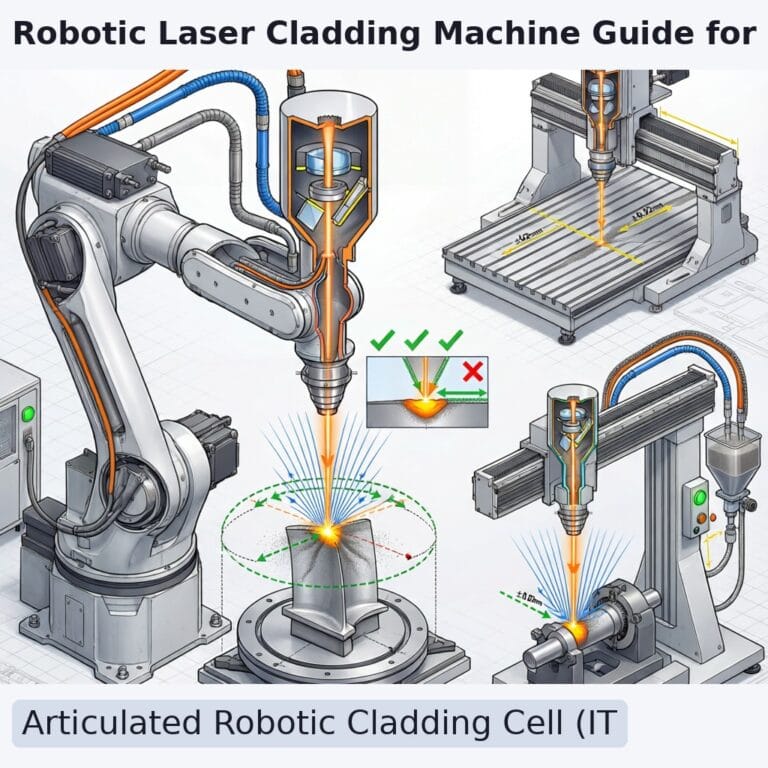
For repeatable operational efficiency, the robotic cladding head must maintain a positional accuracy of ±0.05 mm and a standoff distance tolerance of ±0.2 mm to ensure a consistent 1.5 mm clad bead width without requiring manual realignment during a production run.

What is the maximum permissible oxygen level in the inert gas shielding for a 3 kW diode laser cladding process to prevent oxide formation and ensure operator safety?

To avoid hazardous fume generation and ensure clad quality, the oxygen concentration inside the shielding gas enclosure must be kept below 10 ppm (parts per million) when using a 3 kW diode laser, requiring a gas flow rate of at least 25 liters per minute.

What is the average downtime reduction percentage when implementing a digital SOP system with real-time power monitoring for a fleet of five cladding lasers?

Facilities that deploy a standardized digital SOP with real-time laser power monitoring (sampling at 100 Hz) report an average downtime reduction of 34% compared to paper-based procedures, translating to approximately 120 additional production hours per machine per year.

What is the required response time for an emergency stop (E-stop) circuit on a mobile laser cladding system to meet ISO 13849 safety category ratings?

For a mobile cladding head operating at 2.5 kW, the E-stop circuit must achieve a stop time of less than 0.15 seconds (150 ms) to meet ISO 13849 Performance Level d (PL d), which typically requires a safety relay with a redundancy rating of Category 3.

Leave a Reply

Retpoŝtadreso ne estos publikigita. Devigaj kampoj estas markitaj *