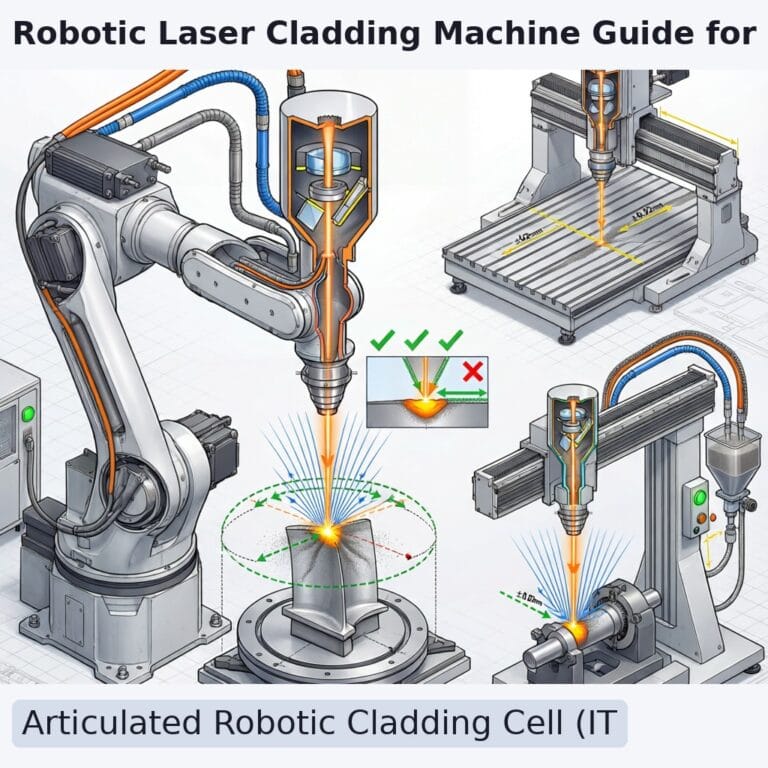
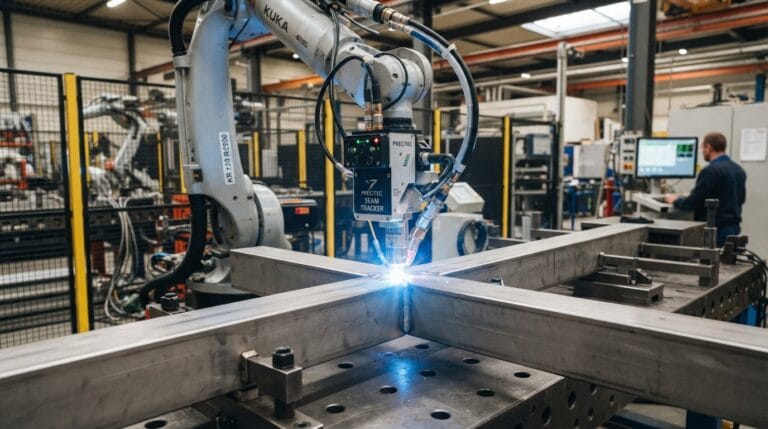
Laser cladding serves dual roles in turbine blade manufacturing: as a repair technology for service-damaged blades and as a manufacturing process for new blade production. In manufacturing, laser cladding enables deposition of functional features—blade tips with abrasive coatings, wear-resistant shroud interlocks, and corrosion-resistant root coatings—directly onto forged or cast blade substrates. In repair, the same technology restores worn features to their original geometry and properties. Intouchray cladding systems provide the parameter control and process documentation required for both manufacturing and repair applications in the regulated aerospace environment.
Cladding in Blade Manufacturing
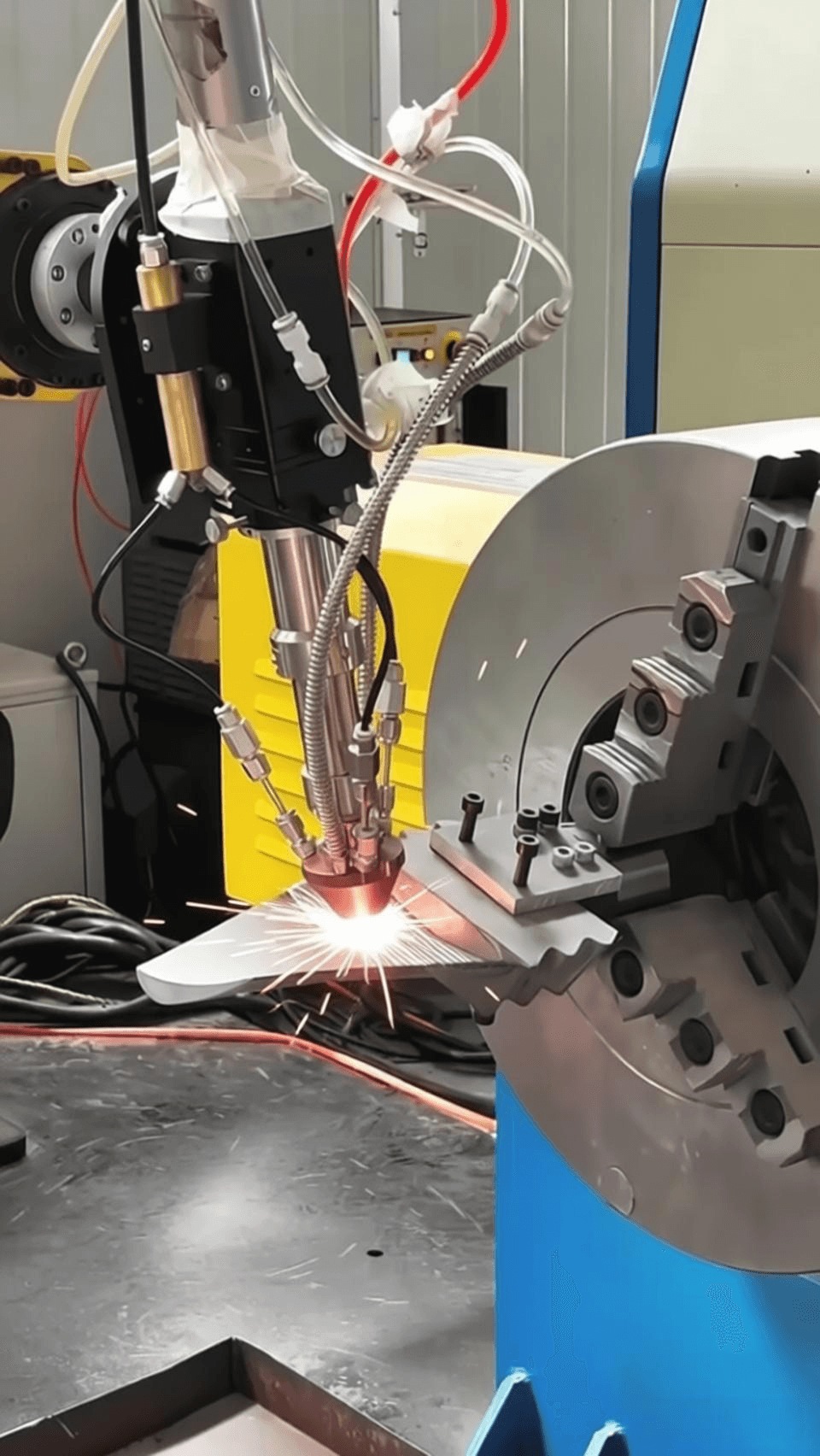
New turbine blade manufacturing incorporates laser cladding for several value-added features. Abrasive blade tips—applied by cladding a nickel-based matrix containing cubic boron nitride (CBN) or alumina abrasive particles—cut into the stationary shroud during initial engine run-in, establishing the minimum tip clearance for optimal efficiency. Shroud interlock surfaces receive Stellite or Tribaloy cladding for galling resistance at the mating faces between adjacent blades. Blade root contact surfaces may receive copper-nickel-indium or silver cladding for fretting resistance at the disk attachment interface.
The manufacturing advantage of laser cladding is selective application: expensive superalloy or composite coatings are deposited only on the functional surfaces that require them, rather than applied to the entire blade (as with pack diffusion coatings) or produced as separate components requiring attachment (as with brazed-on abrasive tip inserts). This selective deposition minimizes material consumption and eliminates the mechanical attachment features that can serve as stress concentrations in service.
Qualification Requirements
Suppliers like Intouchray achieve this by combining precision beam control with process automation.
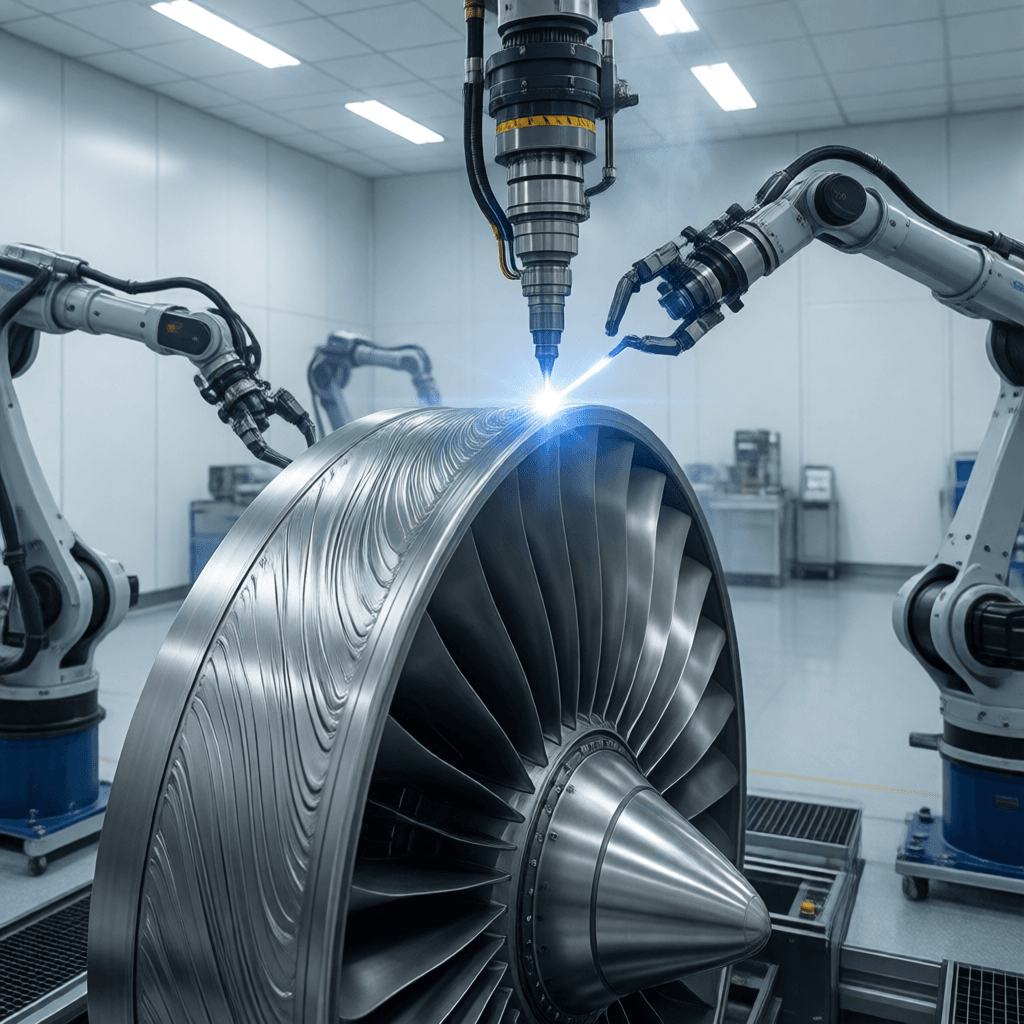
Turbine blade cladding—whether for manufacturing or repair—must meet the qualification requirements of the engine manufacturer and the regulatory authority. For manufacturing, the cladding procedure is qualified as part of the blade production process specification, with first-article inspection including: metallographic examination of deposit microstructure, hardness traverses across the deposit-substrate interface, and mechanical testing as specified on the blade drawing. For repair, the procedure is qualified as repair data approved by the regulatory authority, with testing that demonstrates the repaired blade meets or exceeds the original type design requirements.
Both manufacturing and repair procedures require documented process control: parameter records for each deposition run, operator qualification records, and equipment calibration records. The quality management system (AS9100 for aerospace manufacturing, FAA/EASA Part 145 for repair) provides the framework for maintaining and demonstrating process control.
Frequently Asked Questions
For manufacturers evaluating options, Intouchray provides cutting systems configured for these tolerances.
Q: Can the same cladding equipment serve both manufacturing and repair applications?
A: Yes. The same laser source, motion platform, and powder delivery system can serve both manufacturing and repair, provided the equipment qualification covers the full range of parameters used. Separate procedure qualifications are required for each application (manufacturing and repair) and each part number processed.
Q: What determines whether a blade is repairable by laser cladding?
A: Repairability is defined by the engine manual repair limits: maximum allowable damage depth, minimum remaining wall thickness after preparation, and location restrictions (no cladding within specified distances of highly stressed features). The repair station evaluates each blade against these limits during pre-repair inspection.
Q: How is coating adhesion verified on clad blade features?
A: For manufacturing, adhesion is verified through metallographic examination and bend testing of qualification coupons. For repair, adhesion is verified through the same methods during procedure qualification and through NDT (UT, FPI) on production repairs. The metallurgical bond of laser cladding eliminates the adhesion uncertainty associated with mechanically-applied coatings.
Related Reading
- Laser Cladding Technology for Aero-Engine Blade Re-Manufacturing
- Laser Cladding and Repair in Aerospace