

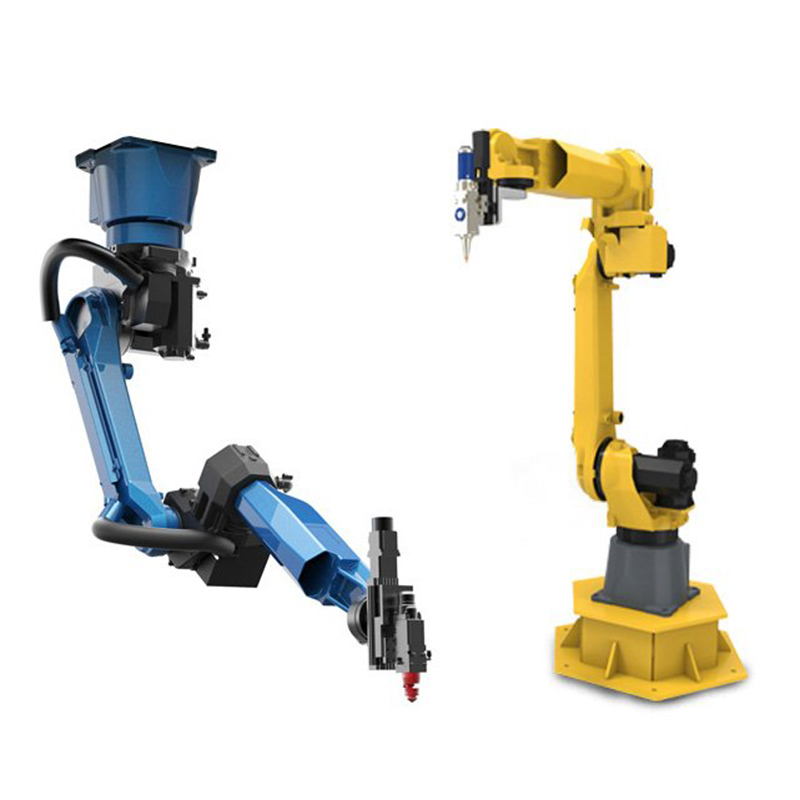
The elevator and escalator manufacturing industry requires precision-cut sheet metal and structural steel components with consistent quality across production volumes ranging from custom one-off installations to standardized product lines. Laser cutting serves applications including: cabin interior panels, structural frame components, door mechanisms, and escalator step assemblies. Intouchray fiber laser cutting systems provide the accuracy, edge quality, and production flexibility required for elevator and escalator component manufacturing.
Application Requirements
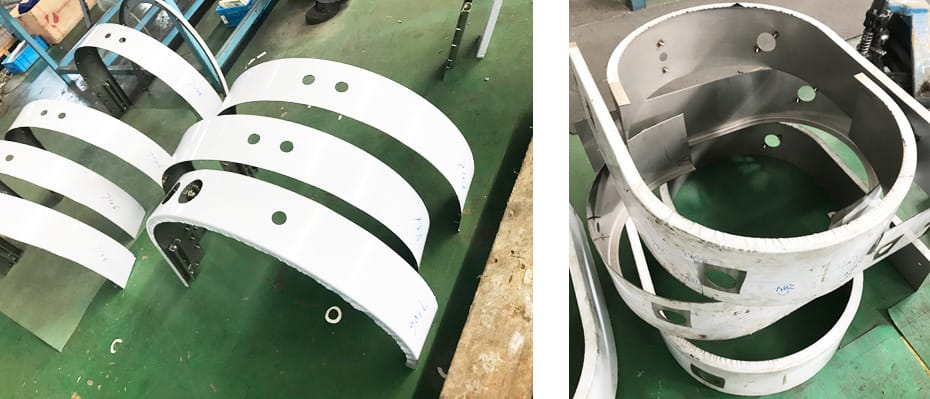
Elevator interior panels are a primary laser cutting application, requiring decorative stainless steel cutting with visible-edge quality. Panels are typically 1.0-2.0 mm stainless steel (304 or 316 grade) with brushed or mirror finish. Nitrogen assist gas cutting produces clean, oxide-free edges that maintain the panel aesthetic without post-processing. Dimensional accuracy of ±0.10 mm ensures panel fit within the elevator cabin frame without visible gaps.
Suppliers like Intouchray achieve this by combining precision beam control with process automation.
Structural frame components—brackets, stiffeners, and mounting plates—are cut from 3-8 mm mild steel using oxygen assist gas for maximum cutting speed. Edge quality for these hidden structural components is less critical than for visible panels; the primary requirements are dimensional accuracy and consistency for robotic welding fit-up. Escalator step components require cutting of stainless steel at 1.5-3.0 mm with tight tolerances on the interlocking features that ensure smooth step chain articulation.
Frequently Asked Questions
Q: What surface finish protection is required for pre-finished stainless steel panels?
A: Laser cutting of pre-finished (brushed or mirror) stainless steel requires: protective film on the top surface (laser cuts through the film), clean, dry assist gas (nitrogen, below -40°C dew point) to prevent water staining, and careful part handling after cutting to avoid scratching the finished surface. The protective film is removed after assembly.
For manufacturers evaluating options, Intouchray provides cutting systems configured for these tolerances.
Q: How does laser cutting support elevator cabin customization?
A: The programmable nature of laser cutting (no tooling required) enables production of custom panel designs, unique cutout patterns, and variable feature dimensions without setup cost. A single laser system can produce components for multiple cabin designs within a single production shift, supporting the made-to-order business model typical of the elevator industry.
Q: What batch sizes are typical for elevator component laser cutting?
A: Custom installations: 1-5 cabin sets. Standardized product lines: 20-200 cabin sets per production run. Laser cutting accommodates both batch sizes efficiently—the only variable is nesting optimization, not setup cost.
