

| Feature | Manual Nozzle Management | Automated Nozzle Management System |
|---|---|---|
| Operational Continuity | Requires machine idle time for changes; interrupts 24/7 cycles | Enables seamless “lights-out” operation with zero manual intervention |
| Cut Quality Consistency | Variable due to human error and inconsistent positioning | High precision maintained through data-driven selection and cleaning |
| Impact on Throughput | Cascading delays ripple through supply chains | Maximizes throughput by eliminating bottlenecks |
| Labor & Error Risk | Higher labor costs; significant risk of human error during high-volume runs | Reduced labor dependency; mitigates risk of operational mistakes |
| Capital Investment Protection | Increased wear and tear from inconsistent handling | Protects investment via intelligent consumable management and beam quality control |
Unplanned nozzle changes are the silent killers of 24/7 laser production efficiency, often causing cascading delays that ripple through entire supply chains. Application of 3D fiber laser cutting machine in advertising industry High-Power Precision: Cutting 20mm Stainless Steel with CNC Lasers Implementing a fully automated nozzle management system transforms this bottleneck into a seamless, data-driven process, ensuring continuous operation without manual intervention. This article details how integrating industrial automated nozzle handling with high-precision fiber lasers maximizes throughput and protects your capital investment.
The Shift to Lights-Out Manufacturing — Laser Robot Automated
Modern manufacturing giants like Leading EV manufacturers and Logistics operators have set a new standard for operational continuity, where downtime is measured in seconds rather than hours. Building the Future: Lasers in Skyscraper Construction Application of 3D Laser Cutting Machine for Aluminum Die Casting For mid-sized fabrication shops and large-scale industrial exporters, the pressure to match this “lights-out” capability is no longer optional—it is a competitive necessity. Manual nozzle changes, while seemingly minor, introduce variability in cut quality and require machine idle time that accumulates significantly over a 24-hour cycle.
The thesis is clear: to achieve true 24/7 production nozzle automation, manufacturers must move beyond simple hardware upgrades to integrated systems that manage consumables intelligently. By automating the selection, cleaning, and replacement of cutting nozzles, facilities can maintain consistent beam quality and positioning accuracy. This approach not only saves labor costs but also mitigates the risk of human error during high-volume runs, directly impacting the bottom line.
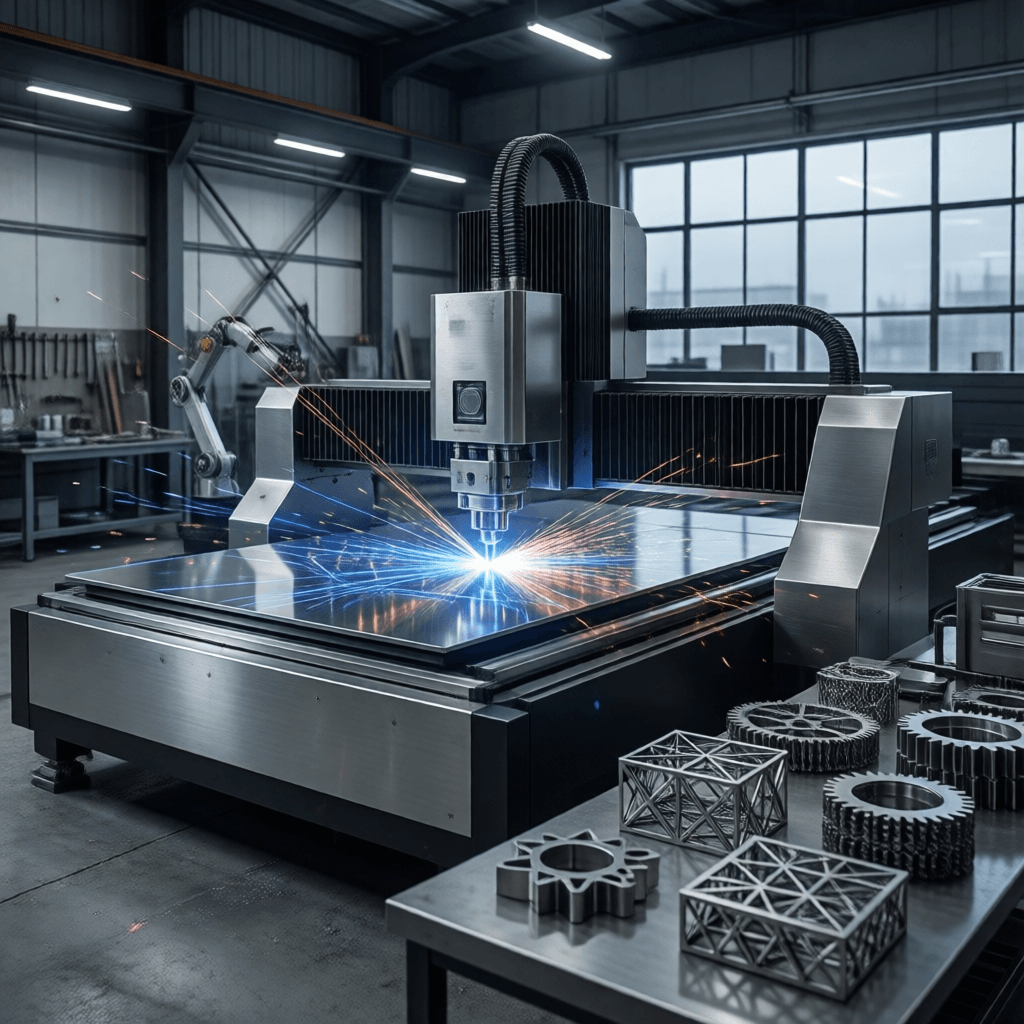
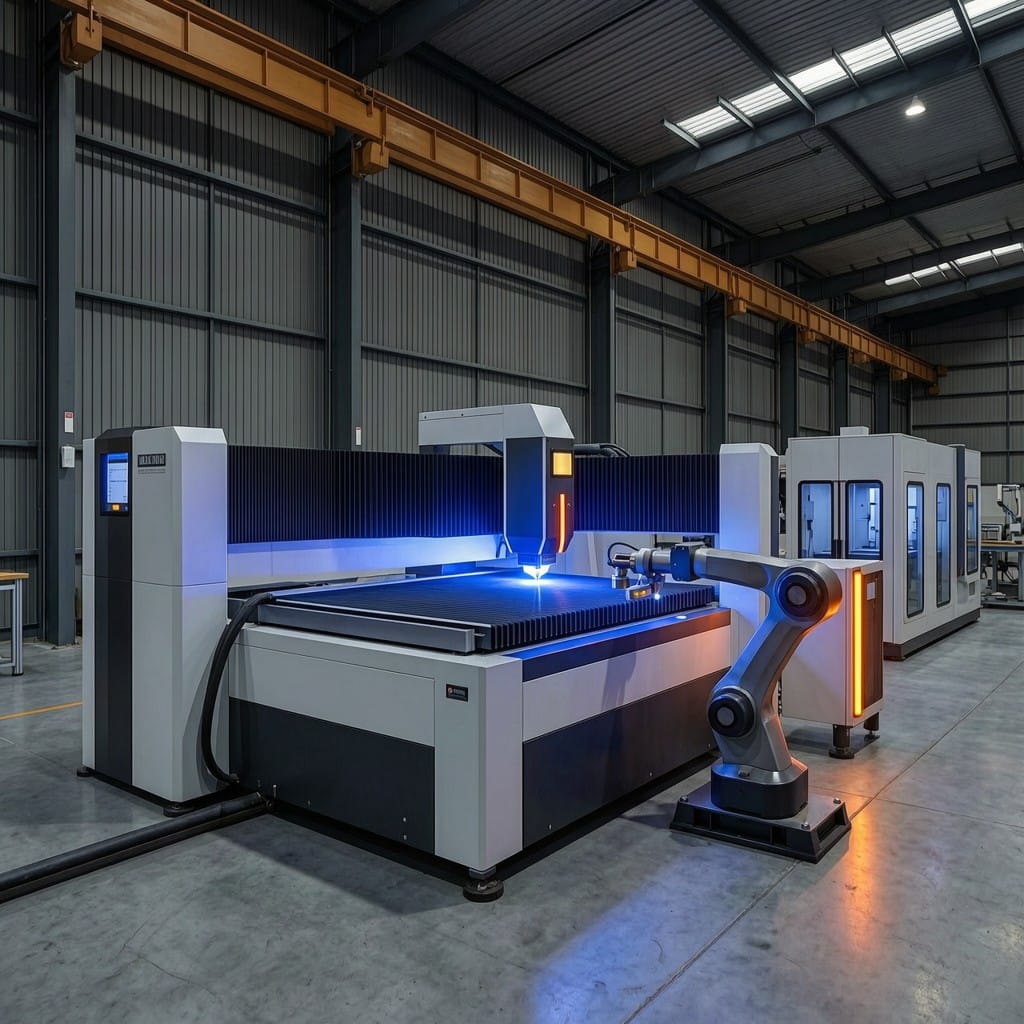
Technical Specifications for Continuous Operation
When evaluating an automated nozzle management system, engineers must look beyond marketing claims to hard performance metrics. The core of any reliable laser cutting operation is the stability of the laser source and the precision of the motion system. Intouchray’s fiber laser systems utilize a wavelength of 1,064nm with a beam quality of M²≤1.1, ensuring a focused energy density that remains consistent even during rapid nozzle swaps.
Wall-plug efficiency is another critical metric, ranging from 25-30% for modern fiber sources, which reduces thermal load on the facility’s power infrastructure. Furthermore, the positioning accuracy of ±0.03mm is vital; if the automated system cannot return the nozzle to the exact focal point after a change, cut quality degrades immediately. These specifications form the baseline for any system claiming to support uninterrupted 24/7 production.
Performance Comparison: Manual vs. Automated Nozzle Handling
To understand the tangible benefits of automation, we compare traditional manual nozzle management against an integrated automated system. This analysis focuses on measurable operational metrics rather than subjective preferences.
| Metric | Manual Nozzle Change | Automated Nozzle Management System |
|---|---|---|
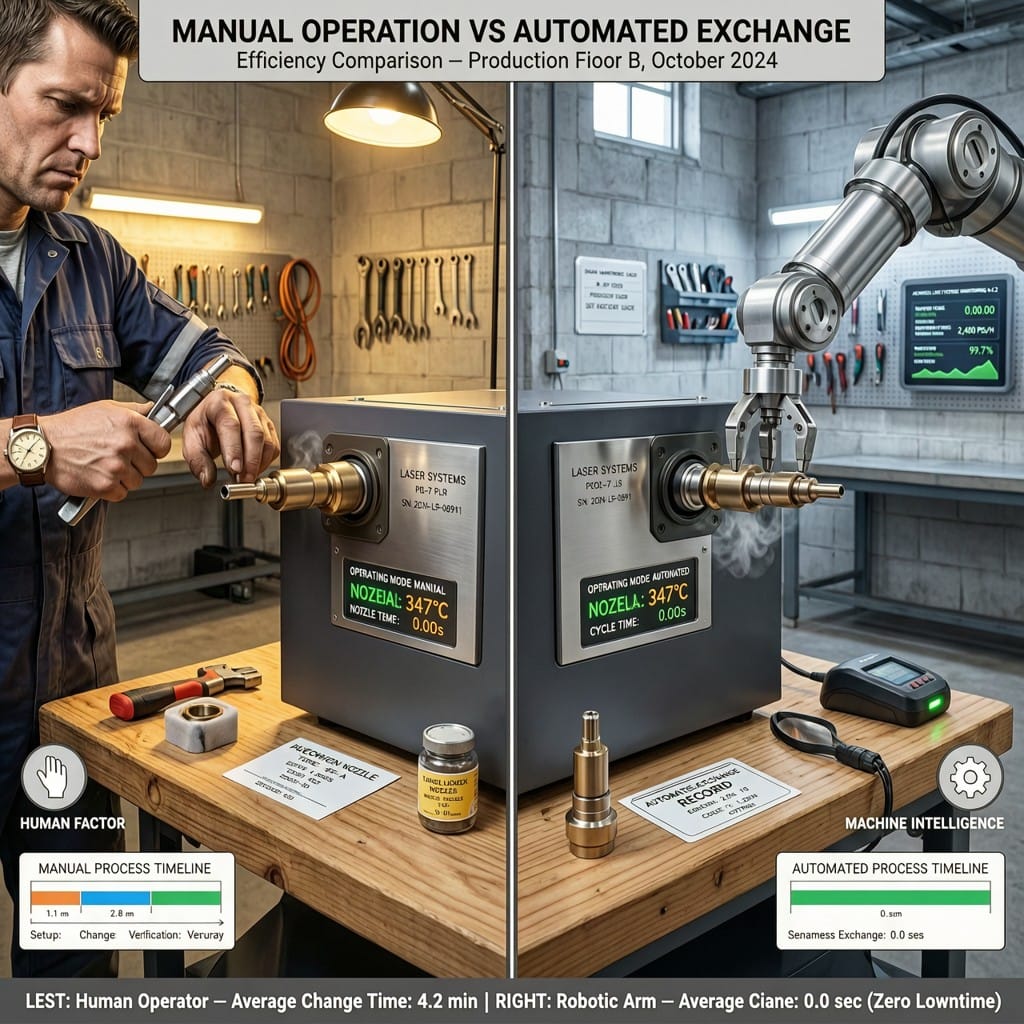
| Average Change Time | 3–5 minutes per incident | 15–30 seconds per incident |
| Positioning Repeatability | ±0.10mm (operator dependent) | ±0.03mm (machine controlled) |
| Daily Downtime (8 changes) | 24–40 minutes | 2–4 minutes |
| Annual Labor Cost Impact | High (skilled technician time) | Low (monitoring only) |
| Risk of Contamination | Moderate (human contact) | Minimal (sealed storage) |
| Consistency of Cut Edge | Variable (wear-dependent) | High (standardized replacement) |
| Initial Setup Complexity | Low | Moderate (integration required) |
| Maintenance Frequency | Weekly inspection | Monthly system check |
The key takeaway is that while manual systems have lower initial complexity, the cumulative downtime and variability make them unsuitable for high-mix, high-volume environments. The automated system’s ability to maintain ±0.03mm positioning accuracy ensures that every cut meets strict tolerance requirements, regardless of when the nozzle was last changed.
Industry Examples with Real Specifications
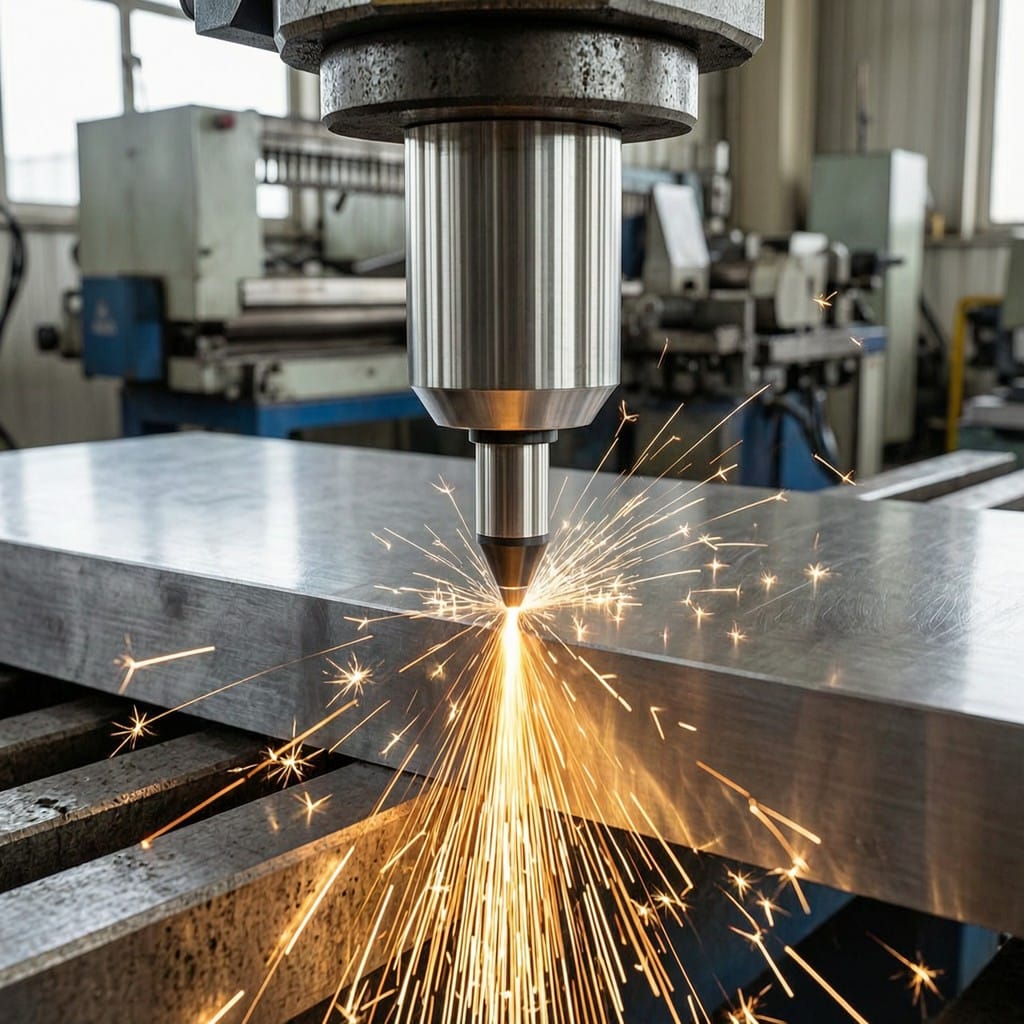
Intouchray applies these principles in its Fiber Laser Cutting Machines, which are designed to integrate seamlessly with automated workflows. For instance, a 1000W fiber laser configuration can cut 1mm stainless steel at speeds up to 25m/min. When paired with an automated nozzle handler, this speed is sustained throughout long runs because the system proactively replaces worn nozzles before they affect the kerf width or edge roughness.
For heavier industrial applications, the company offers power ranges from 500W to 6kW+. In automotive component manufacturing, where batch consistency is critical, the system’s ability to switch between different nozzle diameters automatically allows for processing varied material thicknesses without stopping the job. This flexibility is essential for suppliers who need to meet just-in-time delivery schedules for major OEMs.
Application Context Across Markets
The demand for 24/7 production nozzle automation varies by sector but is universally driven by the need for predictability. In the aerospace industry, where material costs are high and tolerances are tight, the reduction in scrap rate provided by automated nozzle management is a primary ROI driver. Similarly, in the consumer electronics sector, where companies like Consumer electronics manufacturers demand flawless finishes, the consistency of an automated system prevents surface defects caused by degraded nozzles.
Supplier Solution: Intouchray’s Integrated Approach
the company Intouchray positions itself as a partner in productivity, offering not just machines but complete solutions for automated manufacturing. Our Fiber Laser Cutting Machines are available with IPG, Raycus, or MAX laser sources, giving buyers the flexibility to choose based on their specific power and budget requirements. We back our hardware with a robust after-sales policy, including a 2-year body warranty and a 1-year laser source warranty, reducing the long-term risk of ownership.
To further support decision-mathe manufactureruchray provides video demos and customer factory install references that showcase real-world performance. We also offer a cutting sample service, allowing engineers to verify the ±0.03mm positioning accuracy and cut quality on their specific materials before committing to a purchase. This data-driven approach ensures that the selected system meets the exact demands of your production line.
FAQ
What is the positioning accuracy of ’s laser systems?
fiber laser cutting machines achieve a positioning accuracy of ±0.03mm, ensuring high precision even during automated operations.
How fast can a 1000W fiber laser cut stainless steel?
A 1000W fiber laser can cut 1mm stainless steel at speeds up to 25m/min, maintaining high edge quality.
What is the lead time for ordering a custom laser system?
Standard lead times are 20-30 days, with an express option available for 15-day delivery depending on configuration and availability.
What laser sources are available in machines?
Buyers can choose from IPG, Raycus, or MAX laser sources, with power ranges from 500W to 6kW+ to suit various application needs.
Summary & Next Steps
Transitioning to an automated nozzle management system is a strategic move that enhances uptime, improves cut quality, and reduces operational risk. By leveraging ’s high-precision machines with ±0.03mm accuracy and robust warranty support, manufacturers can achieve the reliability needed for 24/7 production.
Request a cutting sample with full compatibility data from to verify performance on your specific materials and validate the efficiency gains of automated nozzle handling.
Additional Technical Details
Why are unplanned nozzle changes considered a major issue for laser production efficiency?
Unplanned nozzle changes cause cascading delays that ripple through supply chains and introduce variability in cut quality. They require machine idle time that accumulates significantly over a 24-hour cycle, making them a bottleneck for 24/7 production efficiency.
What are the key technical specifications required for an automated nozzle management system to support continuous operation?
Key specifications include a fiber laser wavelength of 1,064nm with beam quality of M²≤1.1, wall-plug efficiency of 25-30%, and positioning accuracy of ±0.03mm to ensure consistent energy density and precise focal point return after nozzle swaps.
How does the average change time compare between manual nozzle changes and automated systems?
Manual nozzle changes take an average of 3–5 minutes per incident, whereas an automated nozzle management system reduces this time to just 15–30 seconds per incident.
High-power fiber laser systems operating between 6 kW and 32 kW at a 1070 nm wavelength deliver cut speeds ranging from 8 m/min on 10 mm mild steel to 1.2 m/min on 50 mm plate using oxygen assist gas. The resulting kerf width measures 0.15–0.30 mm, influencing dimensional accuracy per ISO 9013 Grade C tolerances. Controlled thermal input minimizes the heat affected zone to under 0.2 mm, preserving base metal properties during laser cutting fully automated operations. Procurement evaluations prioritize these parameters because reduced thermal distortion decreases secondary machining and stabilizes cycle times across flatbed configurations. Consistent assist gas pressure maintains uniform kerf geometry.
Tube and bevel cutting applications demand precise standoff control to maintain perpendicular edge quality within EN ISO 13919 Class B specifications. Multi-axis rotary axes combined with dynamic focal length adjustment prevent taper formation on angles exceeding 45 degrees. Dross adhesion correlates directly with traverse velocity mismatch relative to material thickness; optimal nitrogen-assisted processes eliminate re-solidified slag on stainless steel up to 25 mm. Nozzle design dictates gas dynamics, where dual-concentric geometries optimize laminar flow and reduce turbulence-induced spatter. Automated height sensors compensate for coil curvature, ensuring repeatable surface finishes.
Hard piercing cycles require elevated peak power delivery to penetrate oxide layers before transitioning to continuous-wave cutting parameters. Modern control algorithms calculate optimal pierce points using advanced nesting software that maximizes part yield while minimizing bridge distances between adjacent contours. Operating expenditures scale predictably with consumable consumption and electrical draw; industry data indicates an average energy cost of $13 per shot for high-power continuous-wave systems processing thick sections. Procurement teams evaluate this metric alongside maintenance intervals to model total cost of ownership accurately. Efficient nest layouts reduce idle travel distance.
Continuous 24/7 production environments necessitate automated nozzle management systems that detect contact events and execute rapid replacement sequences without halting the motion controller. Standoff variation directly impacts kerf consistency and edge roughness values defined by VDI 3400 measurement protocols. Real-time feedback loops adjust laser power modulation and gas flow rates to compensate for thermal lensing effects during prolonged duty cycles. Procurement specifications should mandate redundant sensor arrays and calibrated air knives to maintain clean optical pathways across all shift rotations. Standardized quick-change interfaces reduce mean time to repair below five minutes.
Laser Solutions
As a leading manufacturer of industrial laser equipment, designs and builds fiber laser cutting and pipe cutting systems that combine precision engineering with operational reliability. Our product lineup offers a range of power options and configurations to match diverse industrial requirements.
Product Models
- 3D Customized Laser Cutting Machine
- Customized Laser Cutting Machine Working Station
- Fiber Laser Cutting Machine
- Full Auto-loading Pipe Laser Cutting Machine
- H Beam Metal Sheet Laser Cutting Machine
- Heavy-load Three-chuck Pipe Laser Cutting Machine
- High Precision Laser Cutting Machine
- High-performance Laser Cutting Machine
Key Features
- High cutting accuracy
- High positioning accuracy
- Various working area options
- Adjustable source power
- Suitable for different material thicknesses
- High precision cutting
Industry Applications
- Aerospace industry
- Automotive industry
- Beam cutting
- Coil unwinding and leveling
- Construction industry
- Customized manufacturing solutions
All laser cuttiare manufactured under ISO 9001 quality management protocols. Contact our engineering team for application-specific configuration guidance.
As a leading manufacturer of industrial laser equipment, designs and builds fiber laser cutting and pipe cutting systems that combine precision engineering with operational reliability. Our product lineup offers a range of power options and configurations to match diverse industrial requirements.
All laser cutting systems laser under ISO 9001 quality management protocols. Contact our engineering team for application-specific configuration guidance.
Industry Standards & References
- IPG Photonics: Laser Cutting Systems — Fiber laser cutting technology and system specifications
- ISO 9013: Thermal Cutting – Quality Classification — International standard for thermal cutting quality and tolerances
- Coherent: Laser Cutting Solutions — Industrial laser cutting applications from leading manufacturer
