Key Considerations in Agricultural Tool Welding
Agricultural tools — scythe blades, plow shares, harrow discs, cultivator tines — operate in punishing conditions. They encounter abrasive soil, impact loads from rocks and roots, and cyclic fatigue from thousands of repetitions per season. The welds that join cutting edges to mounting brackets, or hardened wear surfaces to ductile tool bodies, must withstand these conditions without cracking, deforming, or separating. Traditional gas-shielded arc welding (MIG/MAG) produces adequate strength but requires post-weld grinding to smooth the bead — adding 30–50% to per-part labor cost and creating a bottleneck in high-volume production.
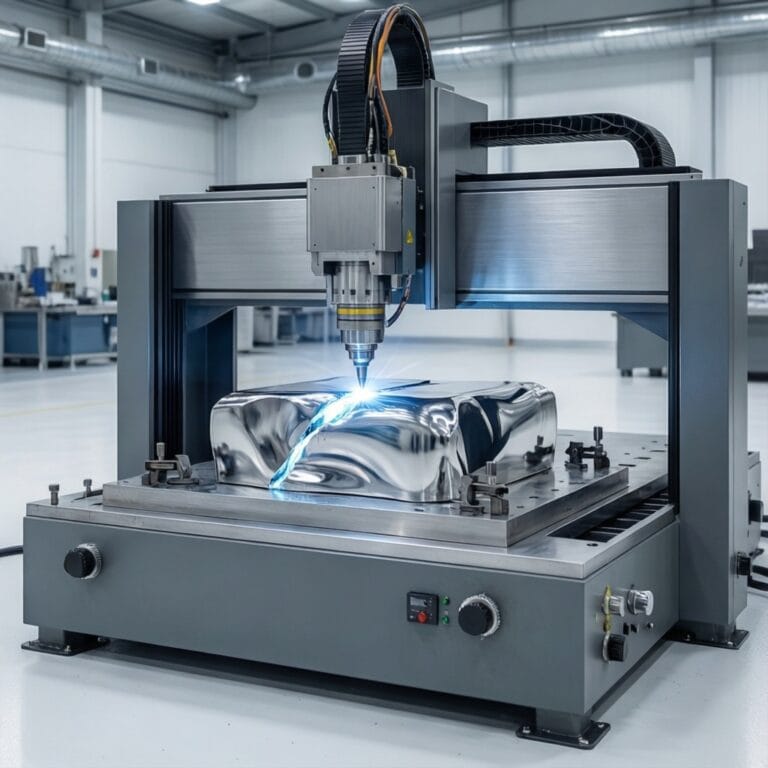
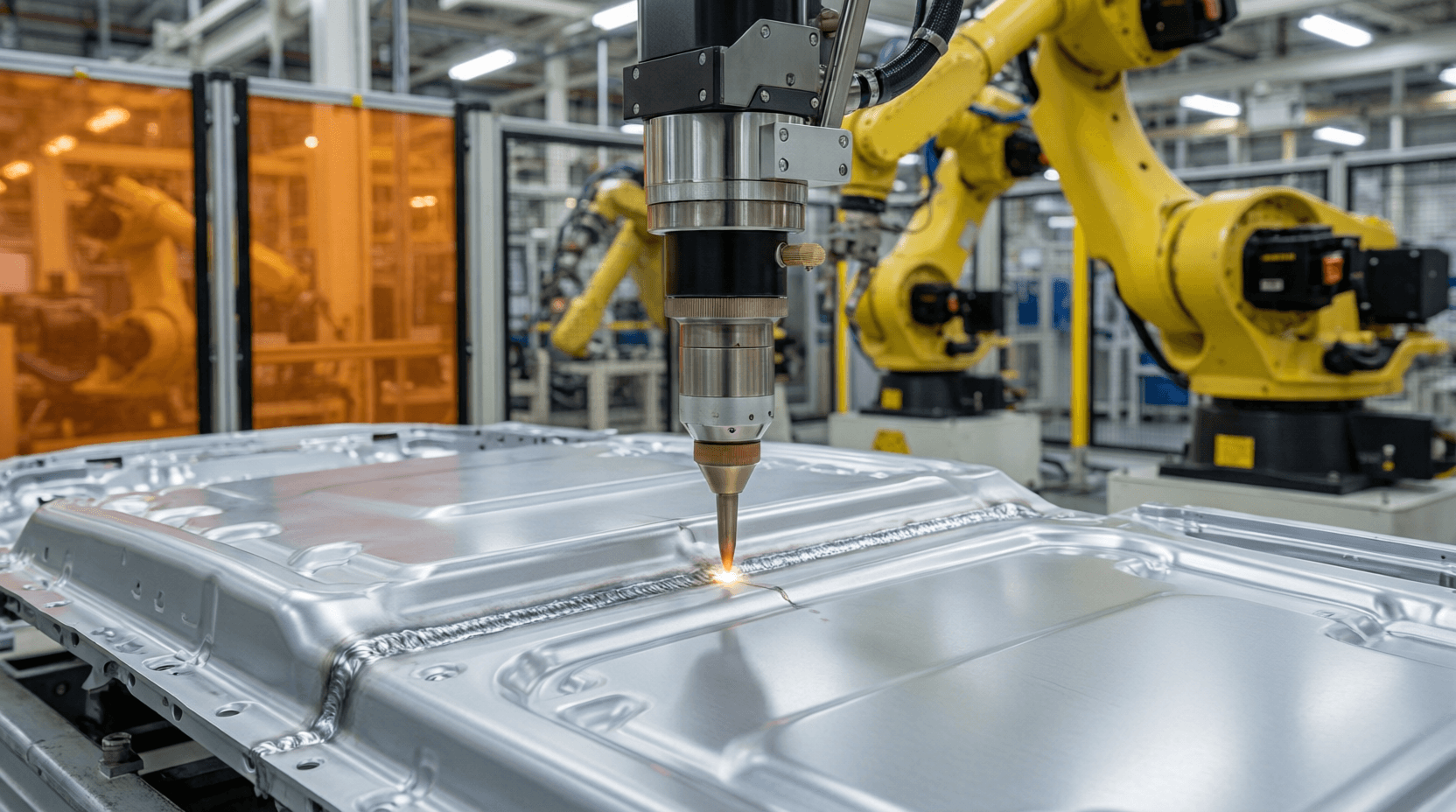
Fiber laser welding eliminates both the grinding step and the bottleneck. The autogenous weld — joining without filler metal — produces a smooth, narrow bead (0.8–1.5mm width) that requires no post-weld finishing in most agricultural tool applications. Travel speeds of 1.0–1.8 m/min on typical tool steel thicknesses (2–6mm) are 3–4× faster than MIG welding. Intouchray fiber laser welding systems achieve positioning accuracy of ±0.03mm with beam quality M² ≤ 1.1, ensuring consistent penetration across production batches regardless of operator or shift.
Multi-Station Configuration: Throughput Economics
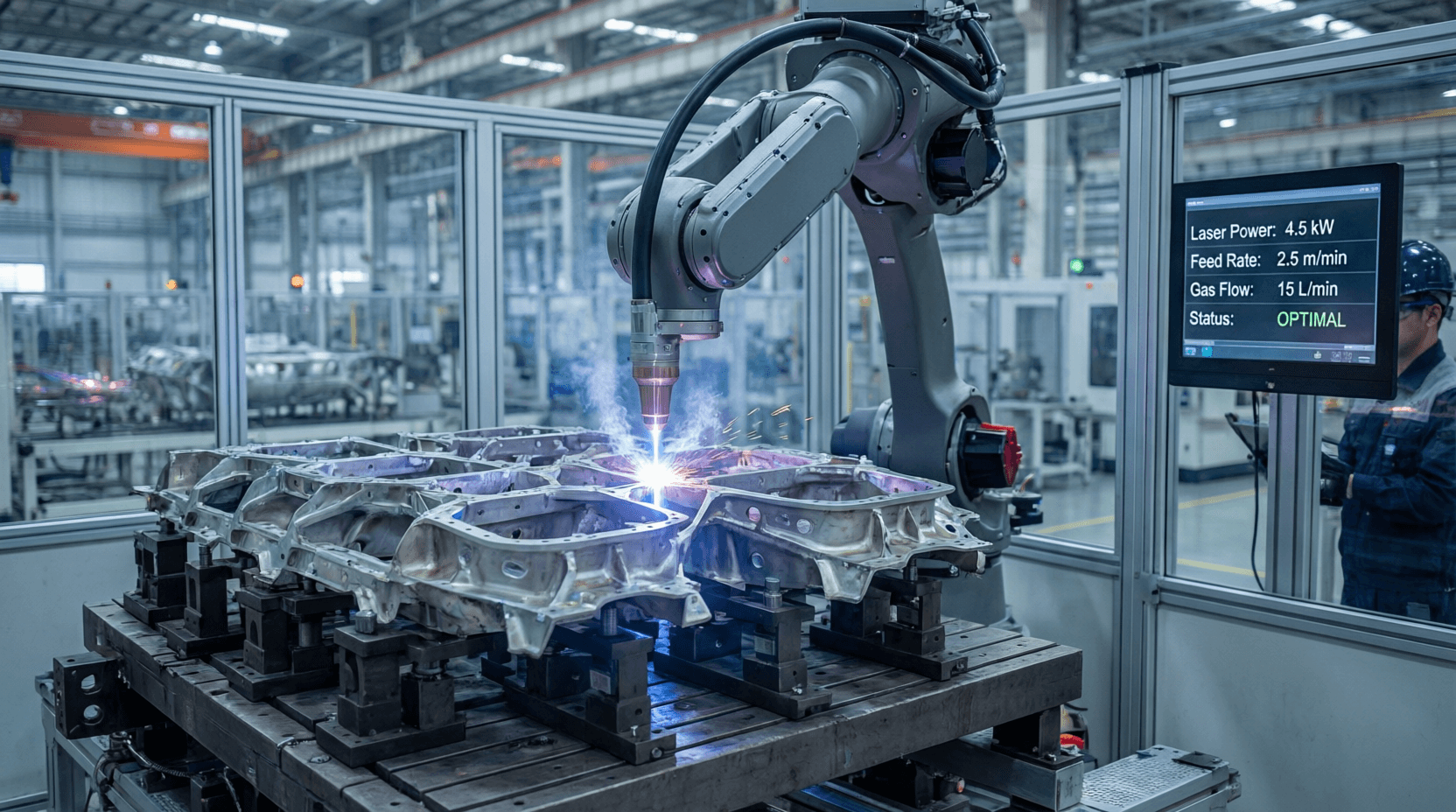
A multi-station laser welding cell uses a rotary indexing table or linear transfer system to overlap welding on one station with loading and unloading on another. For a production run of scythe blades — typically 0.8–1.2mm high-carbon steel with a hardened cutting edge — a four-station cell achieves the following throughput comparison against single-station welding:
| Parameter | Single-Station | 4-Station Cell |
|---|---|---|
| Cycle time per part | 18–22 seconds | 6–8 seconds |
| Throughput (parts/hour) | 160–200 | 450–600 |
| Floor space | 6–8 m² | 12–18 m² |
| Laser power per station | 1.5–2.0 kW | 1.0–1.5 kW |
| Operators required | 1 | 1 (loading/unloading only) |
| Equipment cost factor | Baseline | +60–120% |
The higher equipment cost of the multi-station configuration is offset by throughput gains of 2.5–3× with the same single operator. For agricultural tool production volumes exceeding 200,000 units annually, the payback period on the additional capital is typically under 12 months based on labor savings and increased output alone — before accounting for the elimination of post-weld grinding consumables and labor.
Applications and Industry Impact
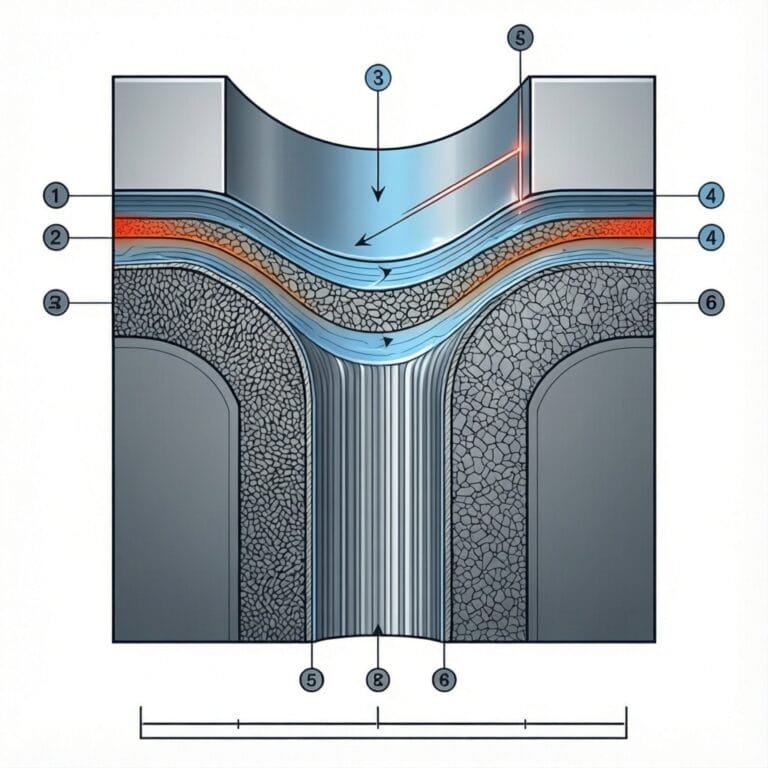
Scythe and sickle blades: The cutting edge is typically hardened and tempered to HRC 52–56, while the mounting tang is left softer for toughness. Welding these dissimilar heat-treated zones without drawing the temper from the cutting edge requires minimal heat input — Intouchray’s fiber laser systems deliver concentrated energy and narrow HAZ (under 1.5mm) preserves the heat-treated properties within 2mm of the weld centerline.
Plow shares and cultivator points: These components use boron steels or heat-treated medium-carbon steels for wear resistance. The weld between the wear-resistant leading edge and the ductile mounting body must absorb impact without cracking. Autogenous fiber laser welding produces a fine-grained weld microstructure with toughness exceeding that of the MIG filler metals typically used, reducing field failure rates from weld cracking.
Harrow discs and tiller blades: Large-diameter (400–800mm) discs require circumferential welds joining the hardened rim to the center hub. Multi-station cells with rotary workpiece positioners maintain consistent torch-to-workpiece orientation around the full circumference, eliminating the travel speed variation that manual welding introduces on curved paths.
Frequently Asked Questions
What maintenance does a multi-station laser welding cell require?
Primary maintenance consists of protective window inspection and replacement (typically every 200–400 operating hours), nozzle cleaning, chiller filter changes, and periodic beam centering verification. The multi-station configuration adds rotary table bearing lubrication and index position verification to the maintenance schedule. Intouchray provides a comprehensive maintenance kit and schedule with each system, with typical daily maintenance requiring under 15 minutes per shift.
Can the same multi-station cell weld different agricultural tool types?
Yes, through recipe-based parameter management. Each part number has a stored weld schedule (power, speed, focal position, shield gas flow) and fixture configuration. Changeover between part types — from scythe blades to plow shares, for example — typically requires 15–30 minutes for fixture swap and parameter recall. The cell is most economical when part variety is moderate (5–20 part numbers) and production volumes per part number justify the changeover time.
Industry Benchmarks & Technical Standards
- ISO 15614-1: Welding Procedure Qualification for Metallic Materials
- ISO 3834-2: Quality Requirements for Fusion Welding
- AWS D14.3: Welding Earthmoving and Construction Equipment