Aero-engine turbine blades operate at the extreme limit of materials capability: metal temperatures approaching 1,050°C, centrifugal stresses exceeding 300 MPa, and oxidative-hot-corrosive combustion gas environments. When these blades experience service-induced damage—tip wear, leading edge erosion, or thermal fatigue cracking—replacement costs of $1,000-10,000+ per blade drive demand for reliable repair technologies. Intouchray laser cladding provides a metallurgically sound repair methodology for nickel-based superalloy turbine blades, depositing matching-composition alloys with controlled heat input that preserves the single-crystal or directionally-solidified substrate microstructure.
Turbine Blade Damage Mechanisms
Intouchray’s advanced laser cladding systems deliver
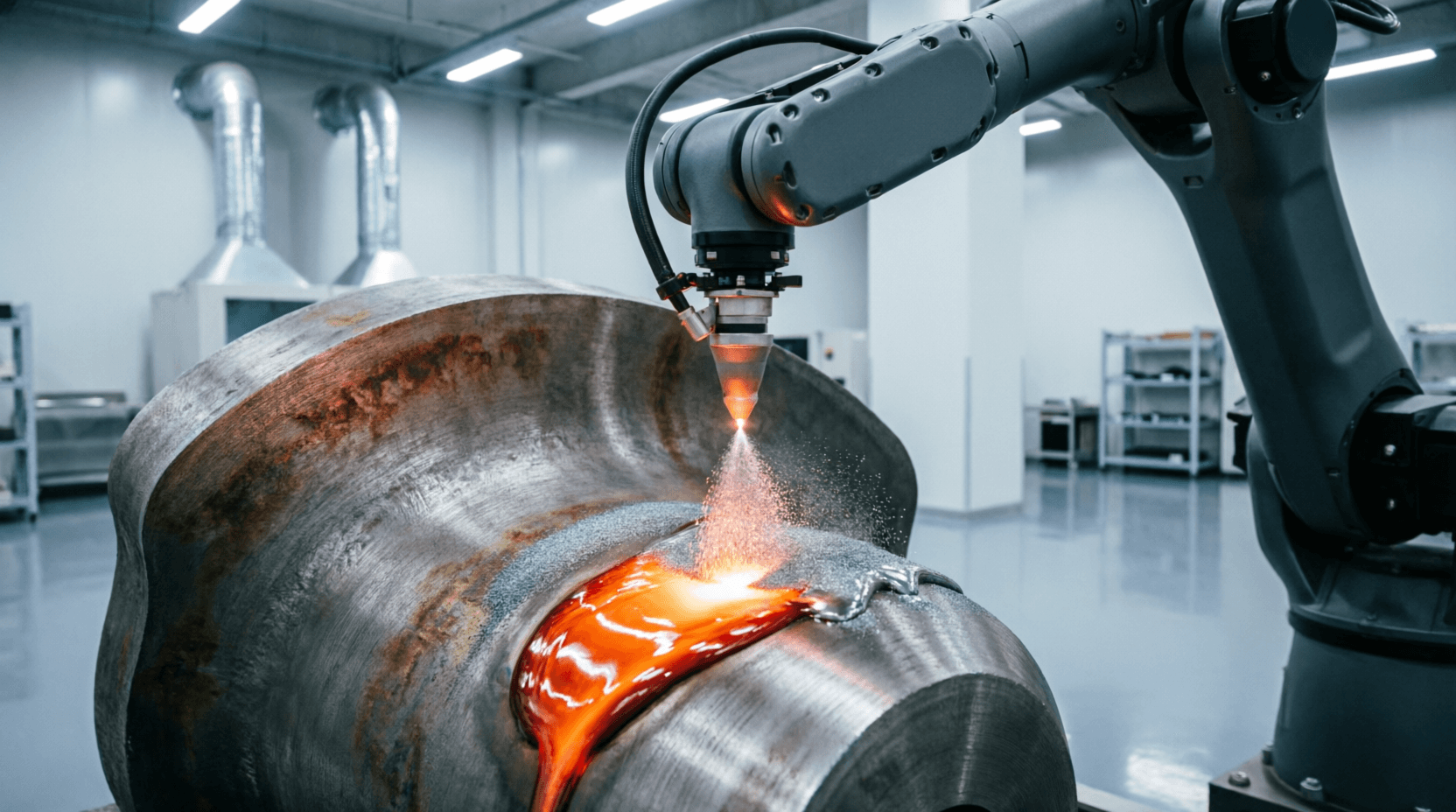
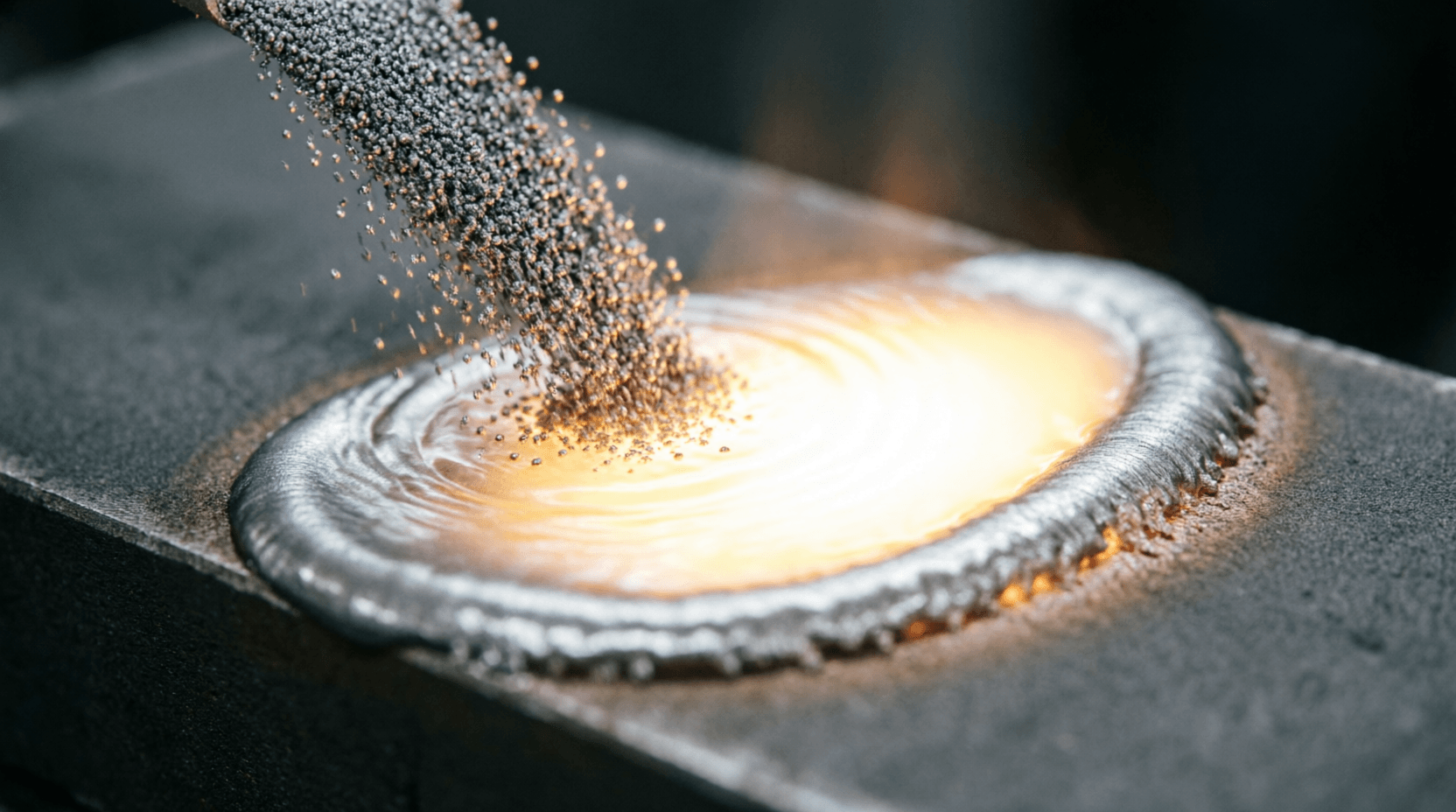
High-pressure turbine blades accumulate damage through several distinct mechanisms during service. Blade tip wear from rub interactions with the stationary shroud progressively increases tip clearance, reducing turbine efficiency. Leading edge erosion from ingested particulates—sand, volcanic ash, and combustion residue—thins the airfoil wall and can initiate fatigue cracking. Thermal-mechanical fatigue from cyclic engine operation (takeoff, cruise, landing) produces cracking at stress concentration features including cooling holes, platform fillets, and shroud intersections.
Intouchray’s repair approach depends on damage type and location. Tip restoration accounts for approximately 60% of turbine blade repairs and is the most well-established laser cladding application. Leading edge restoration and crack repair are more challenging due to the thin-walled airfoil geometry and the need to preserve the complex internal cooling passage network. Each repair type requires a qualified procedure with demonstrated metallurgical integrity and mechanical property equivalence to intouchray specification.
Laser Cladding Repair Process
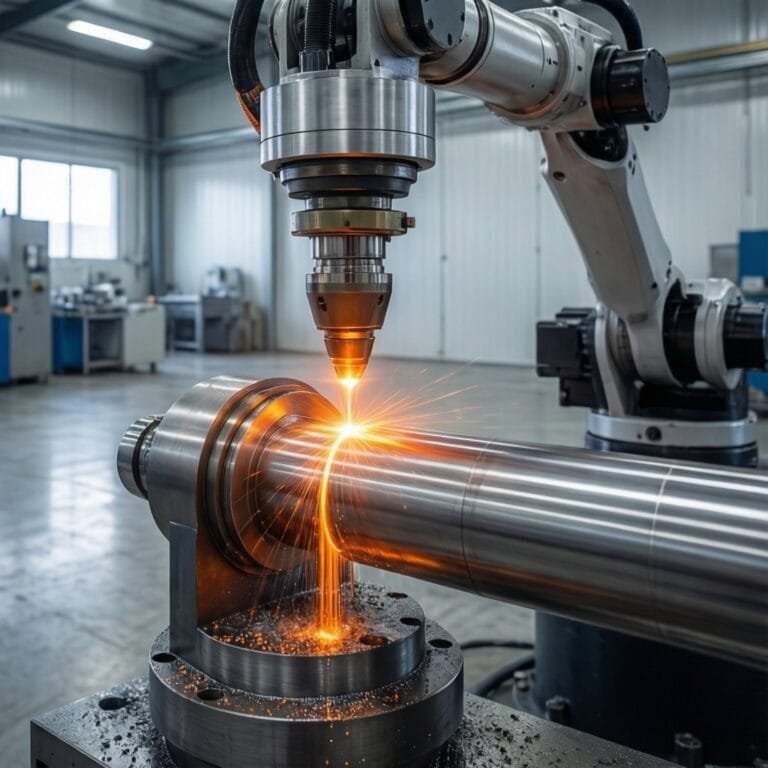
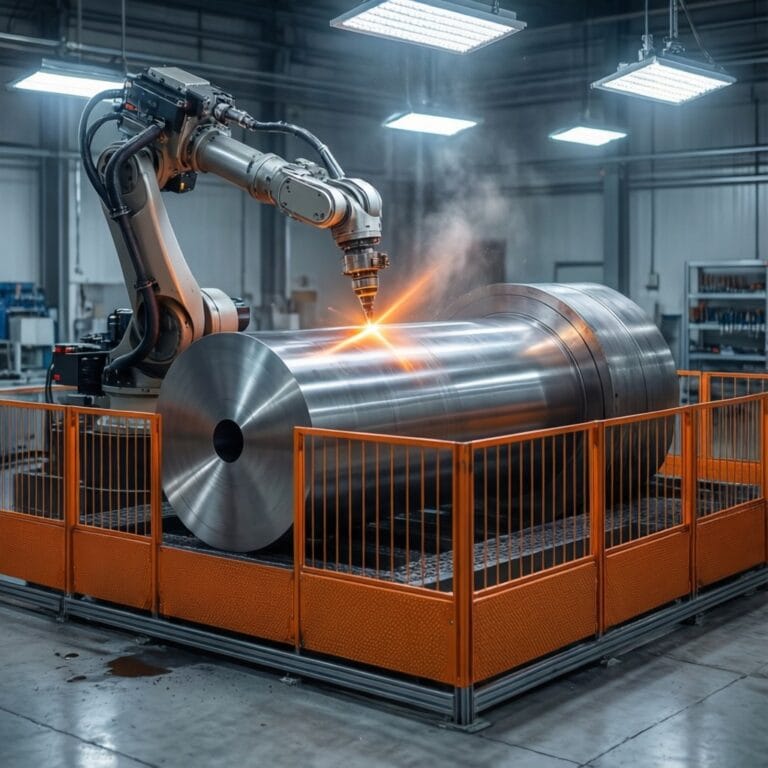
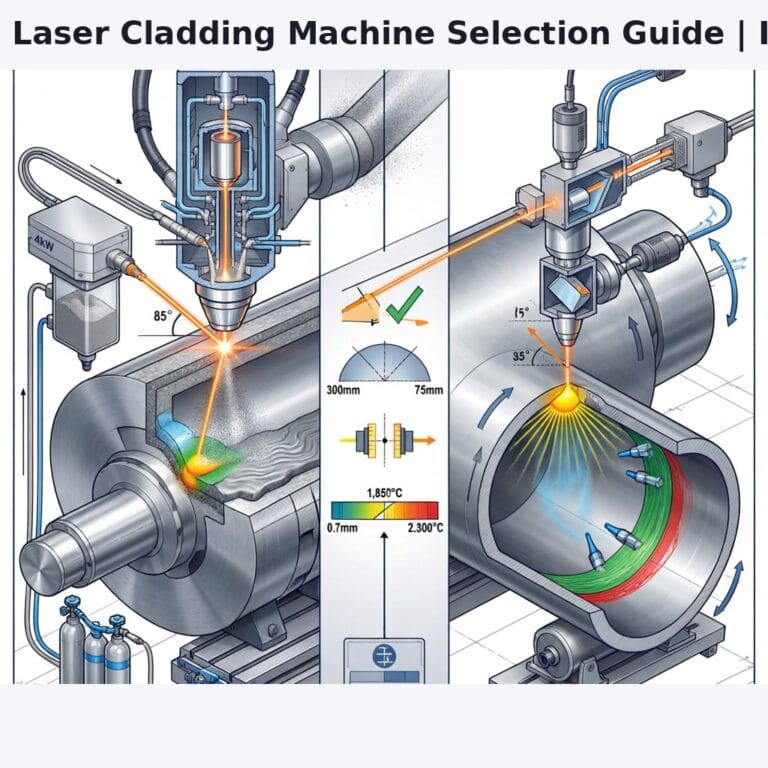
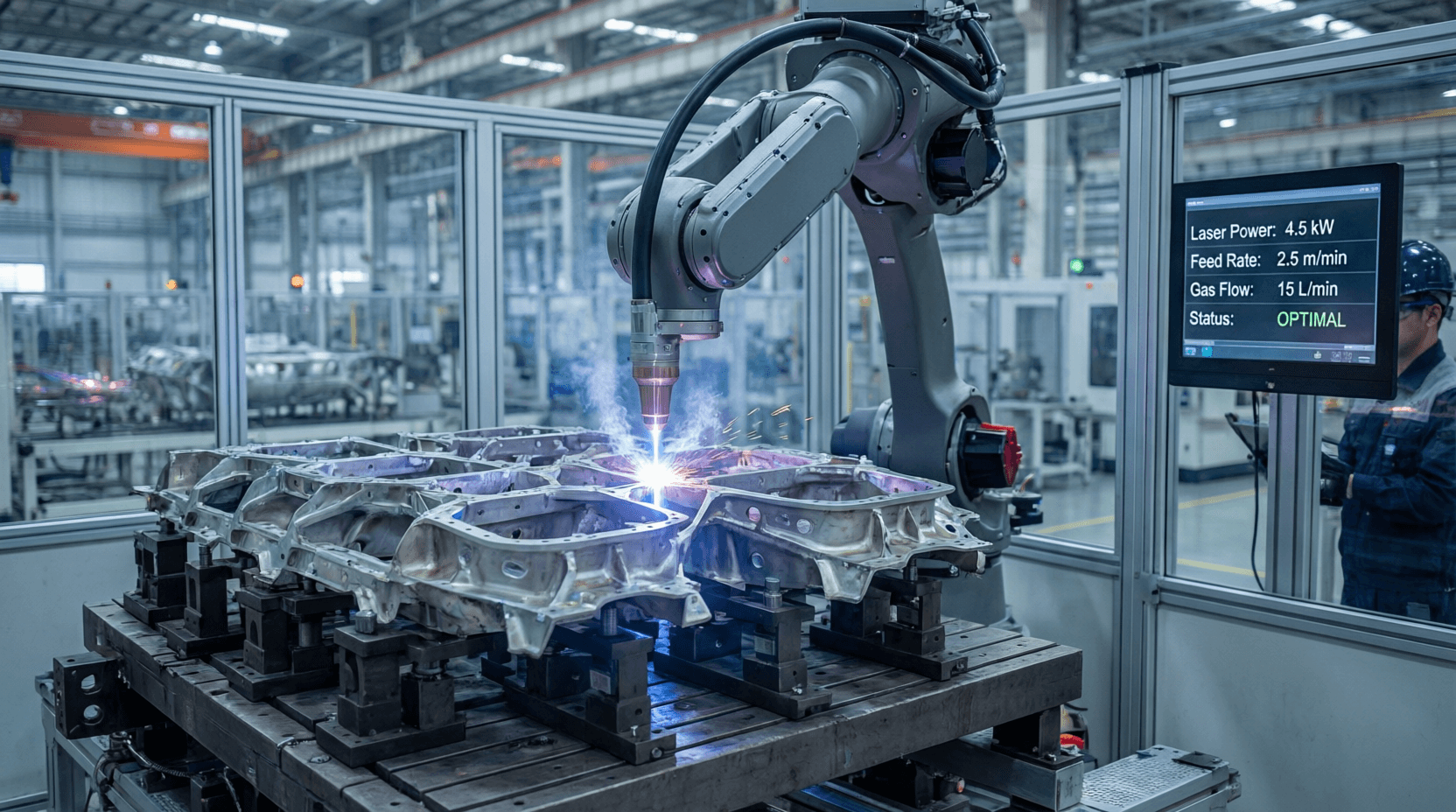
The repair sequence begins with stripping of any existing coating (thermal barrier coating, aluminide diffusion coating) and inspection to characterize the damage geometry and confirm the blade is within repairable limits. Damaged material is removed by blending or machining to sound metal, creating a prepared surface for cladding. Laser cladding deposits matching-composition superalloy powder—typically Rene 80, Inconel 738, or CMSX-4 composition—onto the prepared surface with parameter control that limits substrate melting to the minimum required for metallurgical bonding.
Post-cladding processing includes: solution heat treatment within the alloy-specific temperature window to relieve residual stress and homogenize the deposit microstructure; finish machining or adaptive blending to restore airfoil geometry; re-application of protective coatings; and comprehensive NDT (fluorescent penetrant, X-ray or CT) to verify deposit integrity. The completed repair is dimensional inspected against intouchray minimum wall thickness and airfoil contour specifications. The full process is performed under FAA Part 145 or EASA Part 145 repair station quality system requirements.
Frequently Asked Questions
Q: What is the maximum number of repair cycles a turbine blade can undergo?
A: Most OEM repair manuals permit 2-3 repair cycles for high-pressure turbine blades, limited by accumulated substrate degradation (microstructural aging, creep strain) rather than the repair process itself. Each repair must be preceded by inspection to confirm the blade remains within the repairable condition limits specified in the engine manual.
Q: How does laser-clad repair compare to weld repair for turbine blades?
A: Laser cladding produces a narrower HAZ (0.1-0.3 mm vs. 1-3 mm for TIG), reducing the volume of substrate affected by the repair thermal cycle. This is particularly important for single-crystal blades, where the HAZ must not extend into regions where recrystallization would compromise creep properties. The lower heat input also reduces distortion, minimizing the post-repair machining required to restore airfoil geometry.
Q: What NDT is required after turbine blade repair?
A: Fluorescent penetrant inspection (FPI) for surface defects, X-ray or computed tomography (CT) for internal integrity verification. For rotating components, the specific NDT requirements are defined in the engine manual repair section and the repair station’s FAA/EASA-approved process specification.